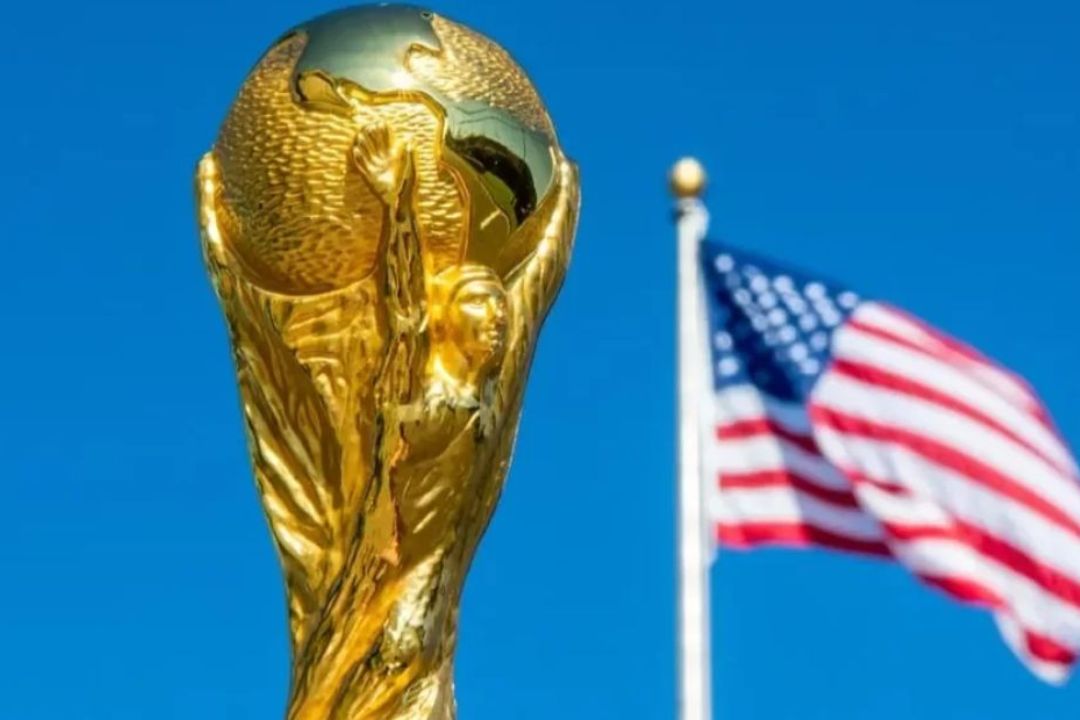
With just days to go before the start of the 2026 FIFA World Cup in the United States, Mexico, and Canada, World Cup fever has yet to take hold. The paradigm shift in the format, the new refereeing rules, the distances within the competition, the match schedules, and the costs are not helping to boost its appeal. Politicization is also more prevalent in this edition. In Argentina, the economic context and the recent championship victory are fueling a lack of interest in the days leading up to the tournament.
By Leo Rando
Automatic translation made by AI
A New Era: More Teams and Market Expansion
The new edition of the World Cup marks the end of an era that began with the 1998 World Cup in France.For the first time, the tournament will be hosted by three different countries, with 16 cities hosting matches, and there will be 48 teams instead of 32. There will be 12 group stages instead of 8. In addition to the first- and second-place finishers, the eight best third-place teams will also advance. There will be 104 matches in total, up from 64 previously; there will be an additional knockout round—the Round of 16; the tournament will span 39 days; and any team hoping to become champion will have to play 8 matches.
The expansion of qualifying spots for this World Cup (UEFA 16, Africa 9, Asia 8, South America 6, CONCACAF 6, Oceania 1 + playoffs) means that four national teams will be participating for the first time: Cape Verde, Curaçao, Jordan, and Uzbekistan. In addition, Haiti and the Democratic Republic of the Congo will be back in the tournament after 52 years. A bigger market means more business.
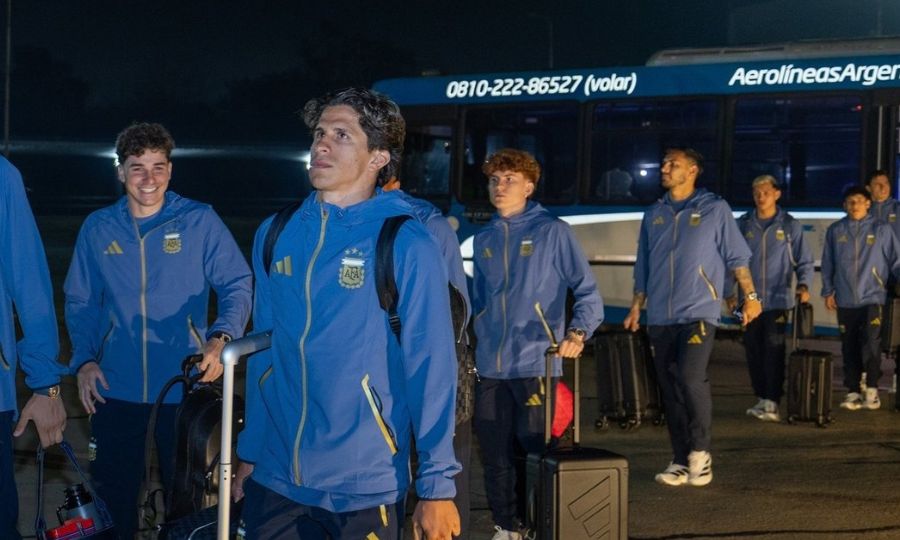
The schedule also makes it difficult to watch all the games, since matches will be played throughout most of the day. In Argentina, we won’t have to get up early, but we will have to stay up late.
Finally, there will also be changes to the game. The International Football Association Board (IFAB) has approved a clarification to the Video Assistant Referee (VAR) protocol regarding clear fouls committed by the attacking team before the ball is in play on a corner kick or free kick that have a direct impact on a goal, a penalty kick, or a disciplinary sanction. The rule allowing 5 substitutions plus 1 extra in extra time remains in effect. Players will have time to leave the field upon being substituted: a maximum of 10 seconds, or the team will play for 1 minute with one fewer player. For throw-ins and goal kicks, players will have 5 seconds to take them. In addition, the“Trionda”ball will have a chip—an inertial sensor for real-time data—and, in the wake of thePrestianni–Vinicius scandal in the Champions League, players will not be allowed to cover their mouths to speak to opposing players. Doing so could result in a red card.
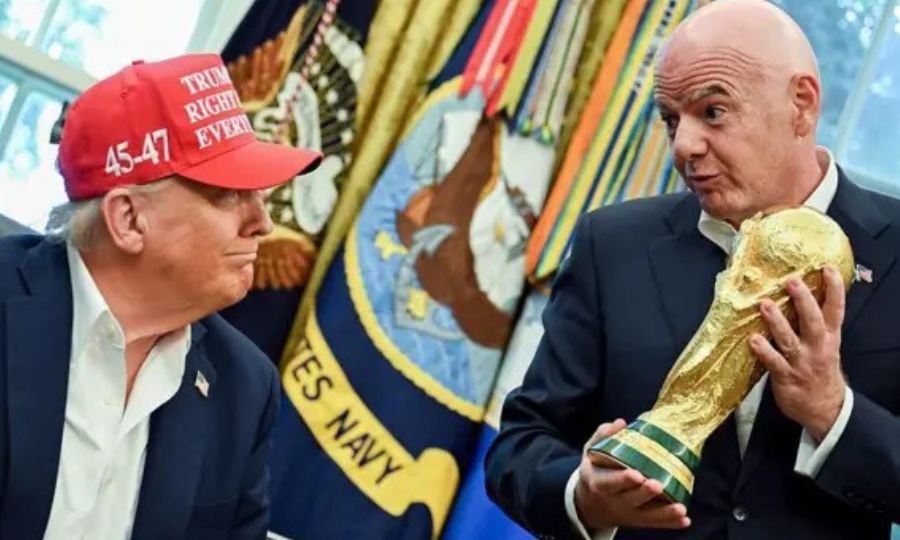
Business is business
FIFA projects that there will be 6 billion viewers for this World Cup; this number represents nearly 70% of the world’s population. This nonprofit organization, headquartered in Zurich, Switzerland, handles numbers like a giant corporation. For the 2023–2026 period, it projects total revenue of $11 billion. Compared to the previous period (2019–2023), when revenue was $7.5 billion, this represents a 45% increase. A large portion of the revenue comes from what is known as broadcasting and media (television channels, audiovisual rights, licensing, streaming channels); combined with marketing and advertising, this segment generates $4.3 billion in revenue. This data shows that, in the age of on-demand content, live sports remain one of the biggest areas of consumption.
Another source of revenue is ticketing and hospitality. Ticketing refers to the process of selling and managing tickets, while hospitality offers VIP packages that include the ticket plus premium services.This generates $3 billion in revenue. Finally, there are sponsorships, marketing, and merchandising (clothing, balls, trading cards, games, themed products, and more).This brings in nearly $2.7 billion.
The Purpose of FIFAGATE
The biggest scandal in the history of global soccer is FIFA Gate, a massive corruption scheme uncovered in 2015 by the U.S. Department of Justice that exposed bribery, fraud, and money laundering totaling more than $150 million within the organizations behind the 2018 World Cup in Russia and the 2022 World Cup in Qatar. The U.S. took its revenge by securing the right to host this World Cup. The reason always lies behind the numbers.
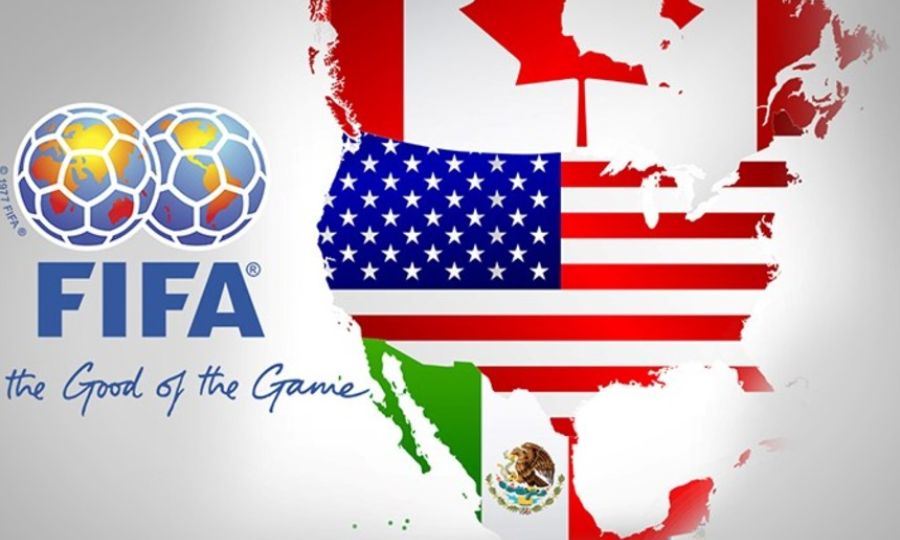
This World Cup is unique compared to previous ones: FIFA did not contribute to the construction of any stadiums for this edition. It will be all profit because there is no investment in infrastructure, unlike in the last two World Cups. The U.S. will be the clear favorite among host countries, hosting 78 of the 104 matches in 11 different cities, including the final. The projected economic impact is $17.2 billion, and 185,000 direct jobs will be created.
Mexico will host 13 matches in 4 cities and receive 10 billion dollars. This country will likely host attendees on the tightest budgets due to the costs involved. But to understand the magnitude of the World Cup’s economic impact, the Mexican stock market ended 2025 with its best-ever performance, and the Mexican peso saw its strongest appreciation against the dollar since 1991. Canada, the country with the least soccer tradition of the three, will also host 13 matches in the cities of Toronto and Vancouver.
Everything about the World Cup is political—even more so
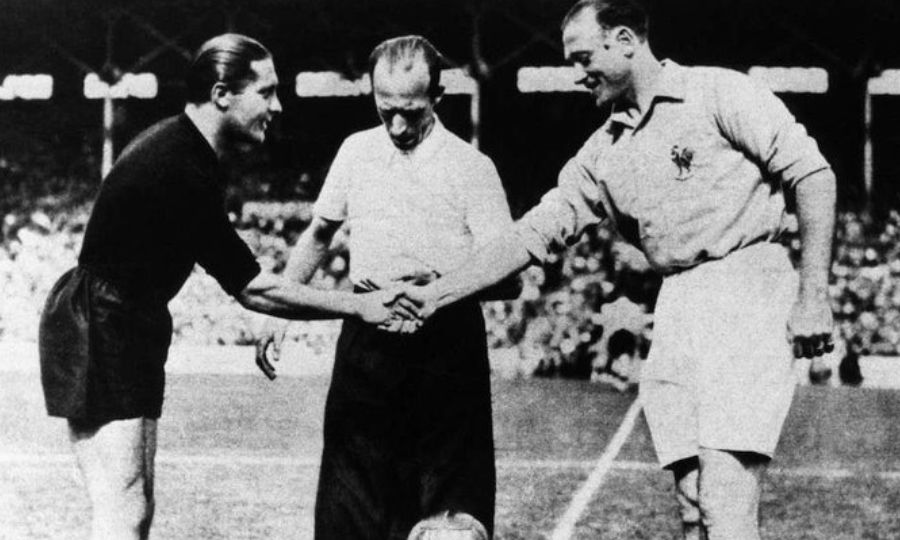
The book*100 Amazing Stories from the World Cups*, byLeo TorresiandAriel Borenstein, recounts countless instances of political interference or influence in the World Cups. Among them: Mussolini’s interference with the national team, which went so far that he forced the team to play in black jerseys three times, in honor of the Camicie Nere (Black Shirts), the Fascist Party’s volunteer shock troops. The most notable—and the last—occurred at the 1938 World Cup in France, during the quarterfinal match against the host team—or the match between the “two Germanys,” West Germany and East Germany—which was the only official match between the two nations divided since 1961 by the Berlin Wall; it was played during the 1974 World Cup and won by East Germany with a goal by Jürgen Sparwasser, a 26-year-old mechanical engineer. A victory for the East against the backdrop of the Cold War.
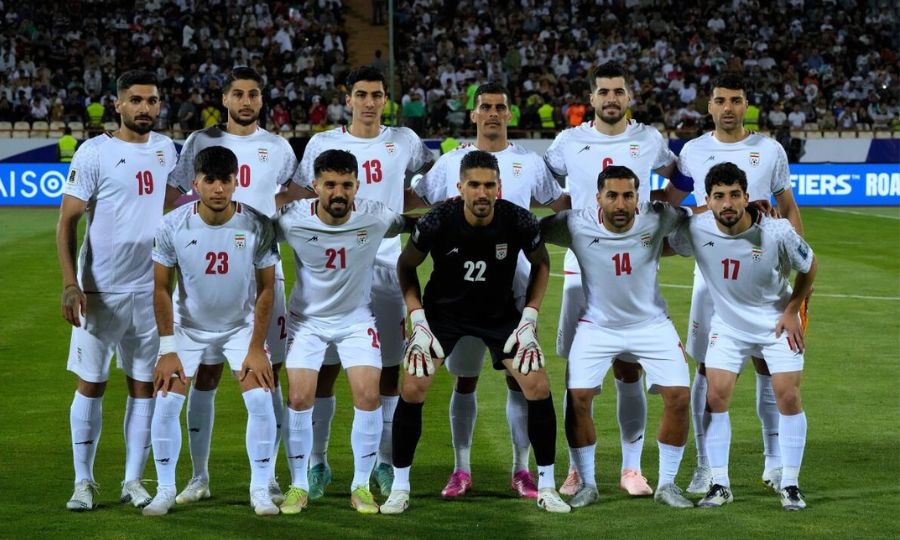
This World Cup has U.S. President Trump leading an imperialist offensive. The U.S. and Israeli airstrikes on Iran cast doubt on Iran’s participation. Infantino assured in April that Iran would participate in the World Cup, and Trump said on April 30 that if the FIFA president—whom he considers his “friend”—had decided so, he was fine with it. Iran will be at the World Cup, but it has moved its training camp from Tucson, Arizona, to Tijuana, on the Mexican border—less than an hour by plane from Los Angeles, where it will play two of its three matches.
There is also significant uncertainty regarding immigration policy ahead of the World Cup. While the White House insists it wants a tournament that is both safe and attractive to millions of visitors on tourist visas, plans to involve agencies such as ICE in the security operation have set off alarm bells among human rights organizations, lawmakers, and immigrant communities. More than 120 U.S. civil rights organizations, including the ACLU, issued a travel advisory in April warning of the risk that fans, players, journalists, and visitors could face “serious rights violations.”
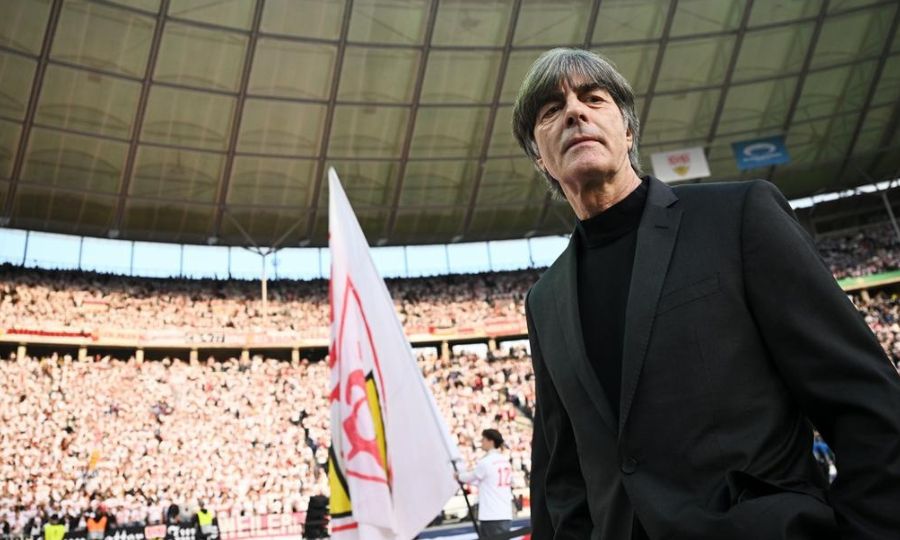
Former German coachJoachim Löwwarnedagainst traveling to the United States.“There were already debates before the 2018 World Cup in Russia and calls to boycott Qatar 2022. But playing in a country at war is even more dangerous.” Highly critical voices have also emerged from the political sphere.“I’m not at all enthusiastic about what FIFA is doing in collaboration with Donald Trump,” said politician and human rights activistBoris Mijatovic.
In Milei’s Argentina: Soccer for the Few
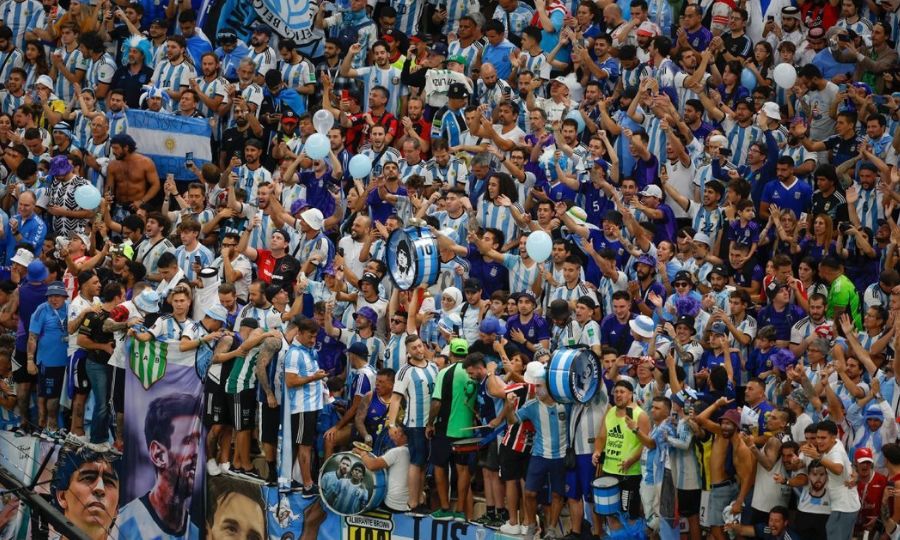
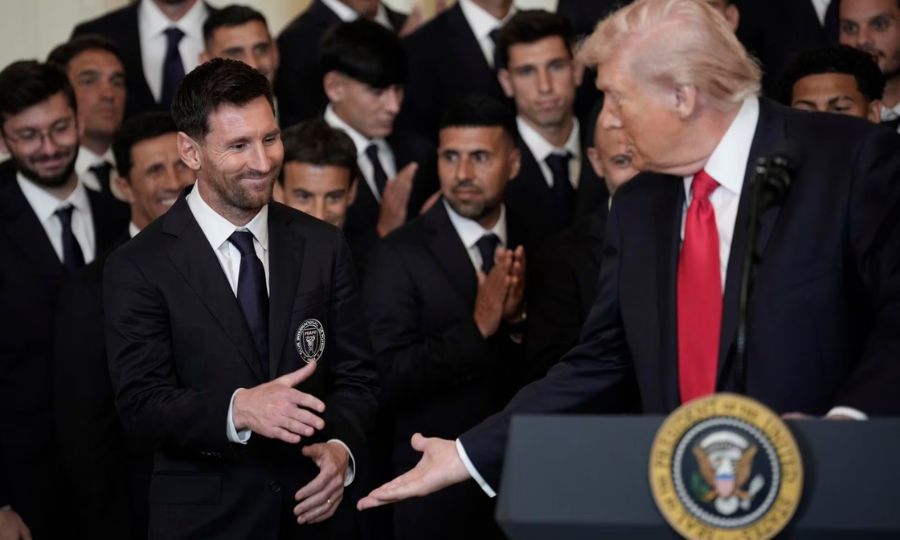
When does Argentina play its first game? What time is it? Who are we playing against? These are the questions that tend to come up at work, at school, or among friends and family. There are several possible explanations for why this World Cup isn’t generating as much excitement among Argentines. One obvious reason is that after becoming world champions, two-time Copa América champions, and winners of theFinalissima, the urgency to win another title seems to have diminished. Also, Messi’s closeness to Trump and the statements byRodrigo De Paul, who, when asked about the tension between the government and the AFA, replied,“We speak on the field.” The players’ lack of commitment to the harsh reality faced by working people has distanced them somewhat from a sector of society that demands their commitment. Despite everything, the dream of a fourth star remains.
Another factor is the economic context, which also affects merchandise sales and how people experience these events. For starters, traveling from Argentina to attend the group stage of a World Cup costs an estimated$7,850 to $11,600. For the average Argentine, this represents a financial outlay equivalent tonearly 10 months’ net salary. If the plan is to follow the Scaloneta all the way to the final,the cost is estimated to be between$15,000 and $21,000.
If you’re among the many fans who can’t travel, it’s also hard to follow the team on TV. TV prices have risen—from the last World Cup to this one—by as much as 934%, depending on the size, technology, and brand of the set. The official Argentina national team jersey for the 2026 World Cup (starter model) costs $129,999, a little less than half the minimum wage, which currently stands at $367,800. The price of a snack platter for four people has increased by between 1,300% and 3,000% from Qatar 2022 to today.Not to mention if you want to fill out the sticker album for your kids—you’d spend at least close to2 million pesos. It’s not enough to travel, nor to get together with friends and family to watch it in peace. They’re turning the World Cup into an event that’s increasingly exclusive to an elite that’s far out of our reach.
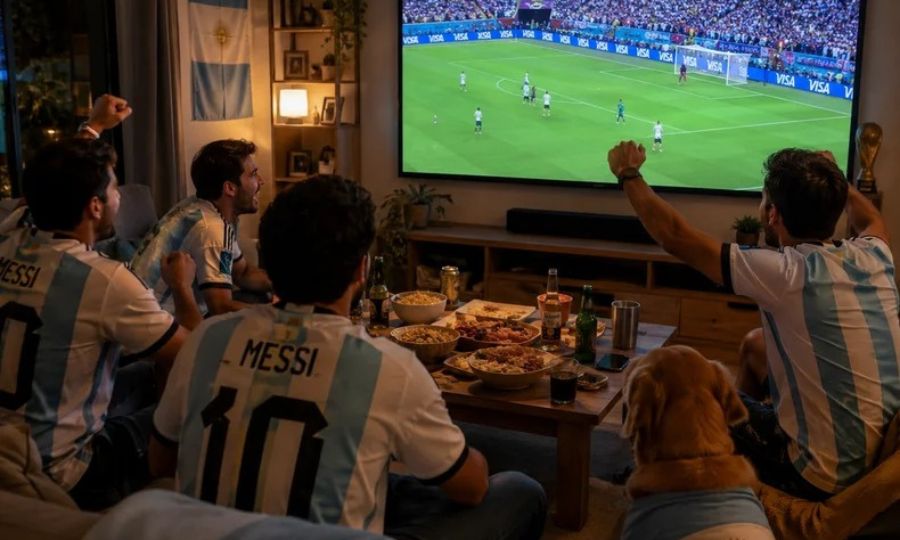
The world will come to a standstill for a month and a half to watch the event, and we in Argentina won’t be left out of it. But we’ll have to stay vigilant because, while they entertain us with the World Cup, the Casa Rosada has asked pro-government lawmakers to focus on advancingthegovernment’s“priorities”in the Senate and to avoid traveling to attend the World Cup. Now more than ever, we must remain on high alert against the right wing.
Sources
- The Investor’s Club Podcast. Episode: World Cup 2026 and Investments: The Business Behind the World Cup.
- https://www.tiempoar.com.ar/ta_article/todo-mundial-es-politico-no-solo-en-el-estados-unidos-de-trump/
- https://revistamercado.do/actualidad/cuenta-regresiva-para-el-mundial-2026-el-deporte-y-la-politica-saltan-a-la-cancha/
- https://www.dw.com/es/mundial-2026-las-pol%C3%ADticas-de-trump-disuaden-a-los-aficionados/a-76631432