By Santiago Ledesma
On September 16, 1976, the dictatorship kidnapped ten high school students from La Plata. Six remain missing, and four survived. Half a century after that crime, remembering is not enough: we must also reclaim who those young people were, what they dreamed of, and what they fought for. In times when the far right is on the rise, honoring their memory also means standing up for the youth who organize and fight to transform reality.
It wasn’t just about the ticket
Fifty years ago, during the early months of the last dictatorship, special task forces abducted a group of high school students in La Plata. They were between 16 and 18 years old. Six of them—Claudia Falcone, Francisco López Muntaner, María Clara Ciocchini, Horacio Ungaro, Daniel Racero, and Claudio de Acha—remain missing. Gustavo Calotti, Emilce Moler, Patricia Miranda, and Pablo Díaz survived, and their testimonies were crucial in reconstructing those crimes.
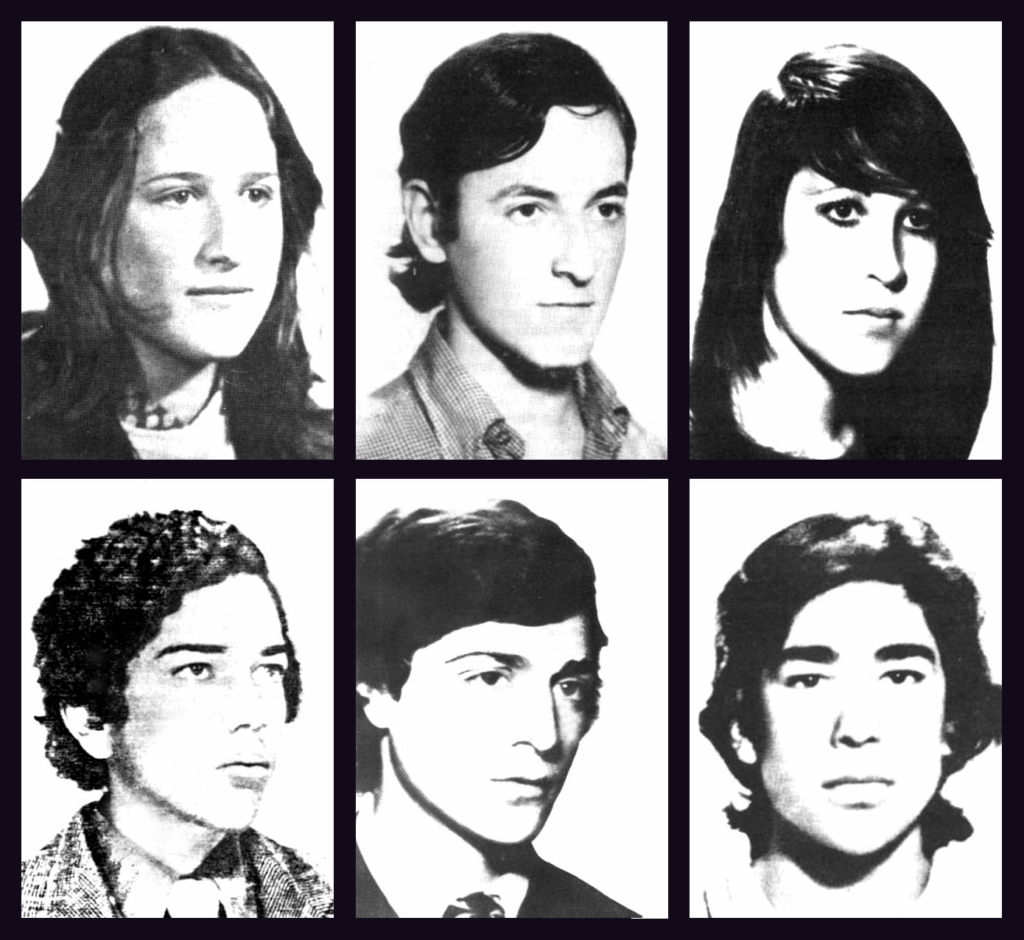
The date went down in history as the“Night of the Pencils,” but its significance goes far beyond that one night in September. It wasn’t just students demanding a bus ticket. They were young people involved in political organizations, neighborhood initiatives, literacy projects, solidarity activities, and spaces for education and activism.
The campaign for student bus passes was one of the struggles that defined that generation. But to reduce history to that single demand is to strip it of precisely what the dictatorship sought to destroy:its capacity to think and organize politically.
The young people of the Night of the Pencils did not view politics as something distant from their lives. They were politically active, engaged in discussions, organized activities, and participated in projects aimed at transforming the living conditions of the majority. They also raised demands such as the release of political prisoners and stood up to the repression that was already underway before the March 1976 coup d’état.
That is why the dictatorship did not kidnap them simply for riding the bus for free. It persecuted them because they were part of a politically active youth movement that challenged the existing order. And therein lies one of the keys to reflecting on this anniversary:remembering them as activists does not diminish the crime. It explains it better.
The dictatorship sought to discipline an entire generation
The repression against these students was not an isolated incident. State terrorism was particularly ruthless toward the educational sector. According to data compiled by the Buenos Aires General Directorate of Culture and Education, 21% of the disappeared were students, and more than 43% were between the ages of 16 and 25. Universities were taken over, schools were placed under surveillance, and teachers and students were persecuted, kidnapped, and disappeared.
The dictatorship sought to impose silence. It sought not only to physically eliminate those who were active in the resistance, but also to destroy any possibility that future generations might draw on those experiences.
For years, attempts were made to portray those young people as a frozen snapshot: innocent teenagers who, almost by accident, ended up as victims of a tragedy. But behind those photographs were people who thought, debated, organized, and dreamed of a different society. That political dimension is part of what we must reclaim.
Fifty years later, young people continue to play a leading role
Half a century later, new generations continue to take to the streets to defend public education, protest austerity measures, and resist attempts to impose discipline.
In 2026, the memory of the Night of the Pencils once again coincides with a situation in which public education is under attack and those in power are calling into question hard-won rights, seeking to restrict protest, and attempting to portray organizing and making demands as “public order” issues.
This is not about drawing a mechanical comparison between 1976 and the present. The dictatorship was a regime of state terrorism, marked by kidnappings, torture, murders, and systematic disappearances. But we can recognize a conflict that spans eras:what place do young people occupy in society, and what happens when young people stop passively accepting the world they were born into?
The students of that generation didn’t wait until they were adults to get involved. They understood that they had the right to discuss their present and imagine a different future. That, too, is their legacy.
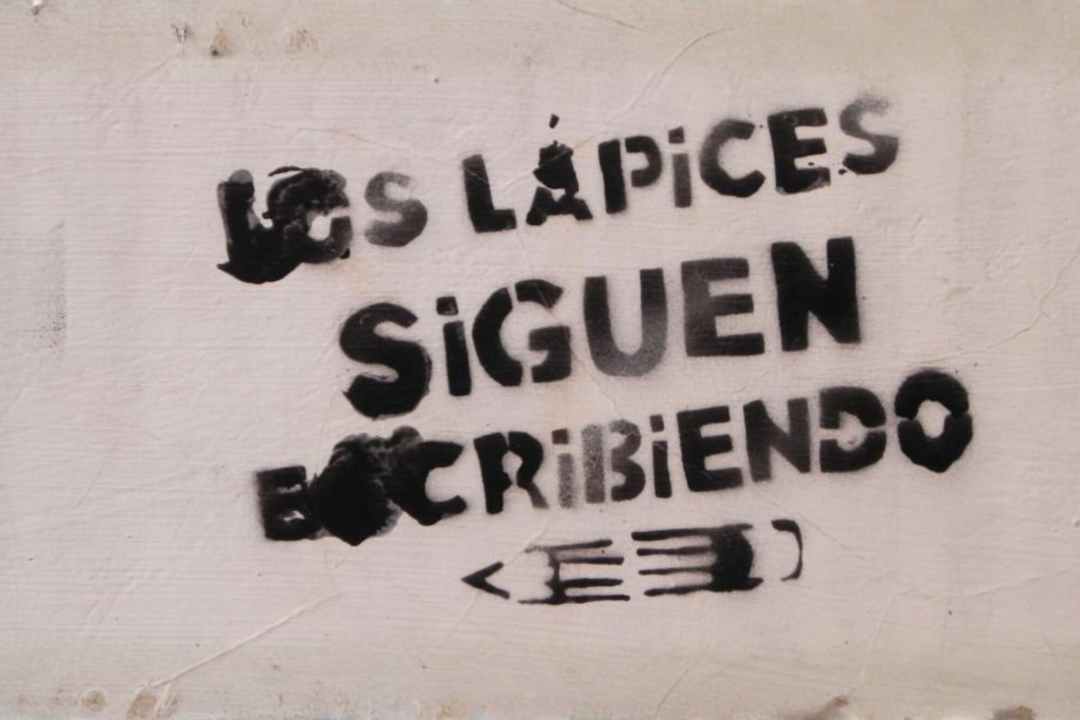
The pencils keep writing
Fifty years later, remembering Claudia, Francisco, María Clara, Horacio, Daniel, and Claudio means more than just repeating their names. It means rediscovering their stories, their convictions, and their dreams.
It also means listening to the survivors and continuing to demand truth, justice, and punishment for all those responsible. Memory is built on testimonies, documents, research, and the voices of new generations.
In contrast to those who want young people to be obedient, individualistic, and apolitical, the Night of the Pencils reminds us of another possibility: young people who organize, who study, who are politically active, who show solidarity, and who want to transform reality.
They weren’t just victims. They were activists. They were students. They were young people who wanted to change the world. Andthat’s why the best way to honor them is not to turn them into a static image of the past, but to keep alive the spirit of rebellion they embodied.
Fifty years later, pencils are still writing. And whether they continue to do so also depends on the younger generations.