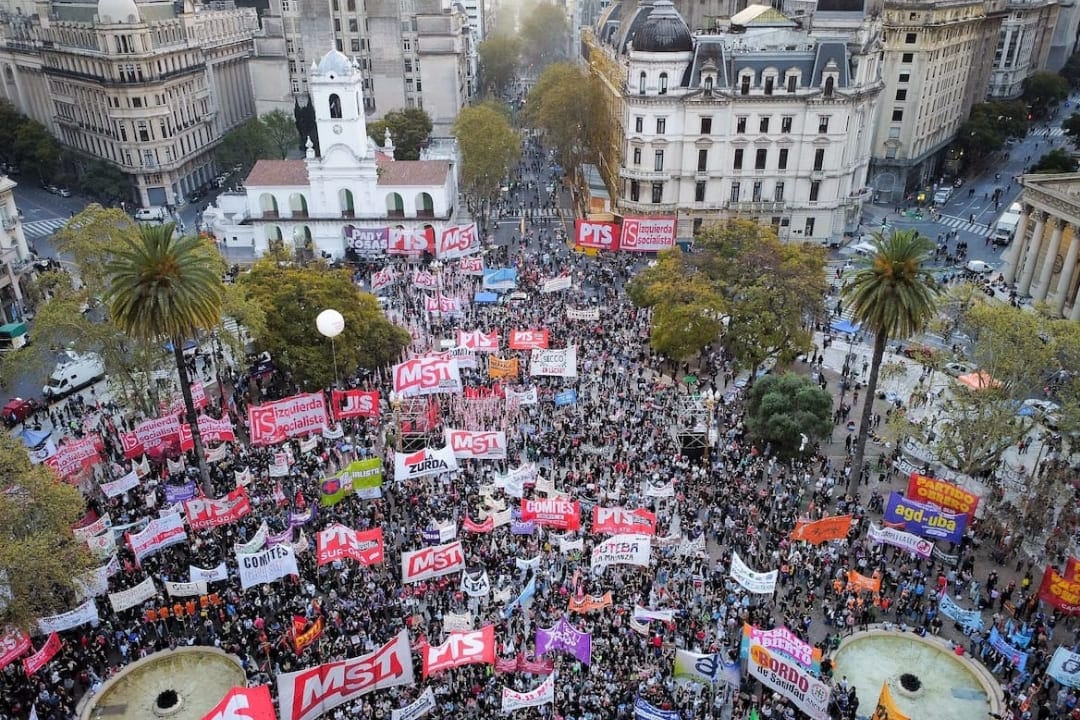
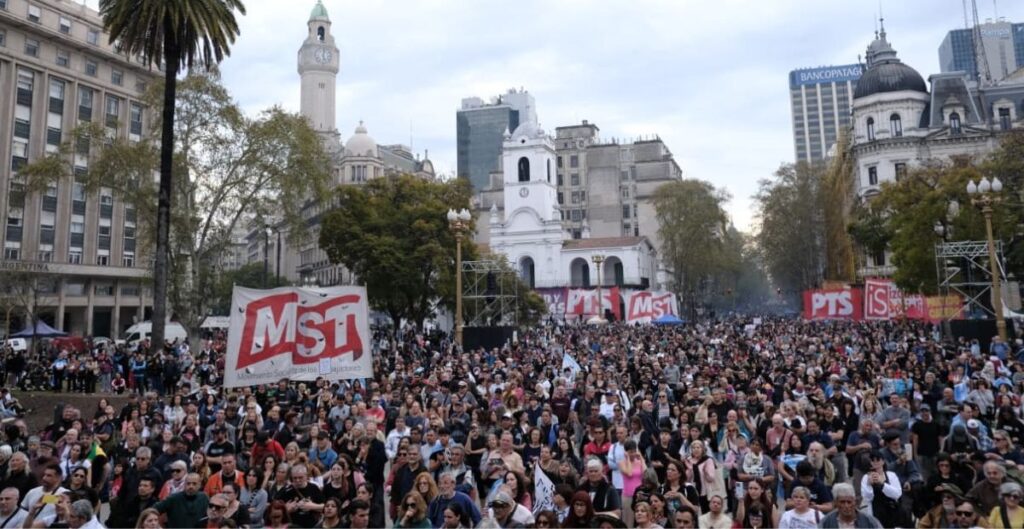
The pent-up anger of recent months finally made itself felt in the streets. This Saturday, the “March of Anger” drew a massive crowd that filled Plaza de Mayo in Buenos Aires with more than 70,000 people, with the same situation playing out in dozens of cities across the country, where tens of thousands more protesters took to the streets. The demonstrations—composed of workers, regional coordinating committees, and left-wing labor groups, students, retirees, neighborhood assemblies, left-wing parties, socio-environmental organizations, and feminist and LGBTQIA+ groups marched from the National Congress to the plaza, where the day ended with a closing rally and the reading of a document agreed upon by the more than 350 organizing groups.
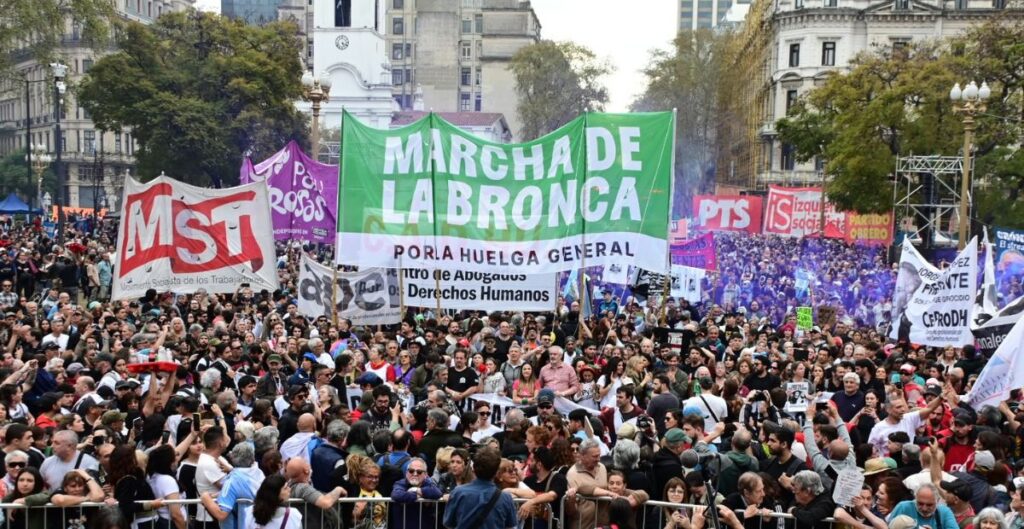
The document read aloud in the Plaza served as a scathing critique of the national government’s war on working people. The text denounced the destruction of 300,000 jobs and the closure of 30,000 businesses, along with the systematic attack on retirees, public health care, and public universities, while also expressing profound rejection of the illegitimate debt and calling for a struggle to refuse to pay it, as well as a break with all negotiations with the IMF. At the same time, it pointed to the complicity of the governors and the pro-business political opposition. Furthermore, it highlighted the passivity of the union bureaucracy and emphasized the need for a new general strike by the CGT as part of a genuine national plan of struggle, voted on in assemblies and plenary sessions of delegates, until the agenda of the major employers’ associations and the IMF is defeated.
You might be interestedin: Anger March The official document read at the rally in Plaza de Mayo
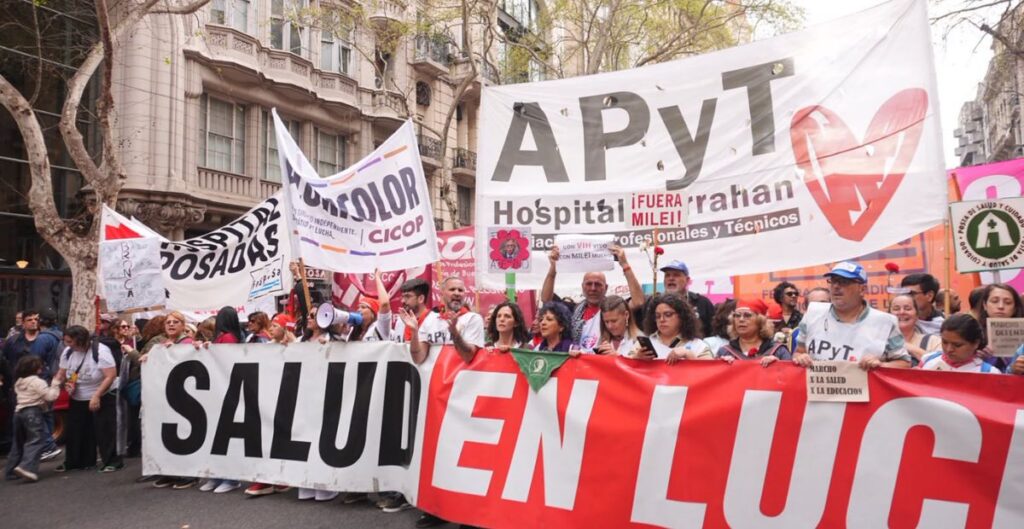
The rally also served as a gathering point and a source of support for the struggles already facing the “chainsaw.” From the stage, urgent causes were championed, such as the defense of Garrahan Hospital, the demands of the disability community, and the resistance of the tire workers at Fate, who are threatened with eviction. In addition, a special call was made for a massive show of support for retirees this coming Wednesday, September 23, in front of Congress, to continue breaking through the repressive protocol.
The day made it clear that the anger is real, it exists, and it was massive. The participation of more than 70,000 people—including thousands of workers—along with the sight of a packed Plaza de Mayo, is tangible proof that the social force needed to defeat Milei exists. Once again, it became evident that it is the old union and bureaucratic leaderships that are looking the other way and doing nothing to stop him.
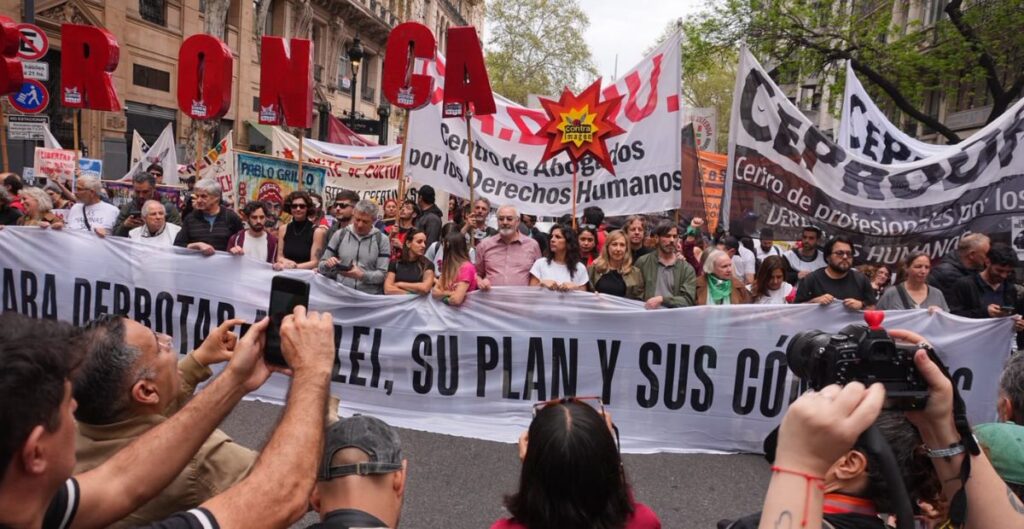
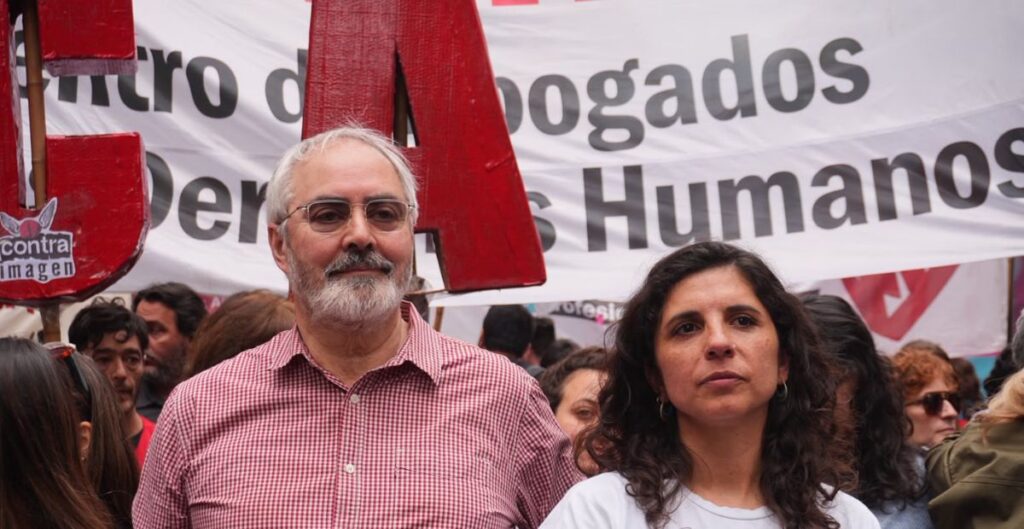
Furthermore, the success of the rally demonstrated that it was the right decision to have promoted this united action from the left, in which we—the MST—played an active role within the Left Front. Our leaders and prominent figures were present at the mobilization, including Cele Fierro (MST deputy-elect) and Alejandro Bodart (national leader of the MST within the FIT-U), along with national deputies Myriam Bregman, Nicolás Del Caño, Christian Castillo (provincial representative from Buenos Aires), and other leaders from the other parties in the Left Front Unity. Also Vilma Ripoll, Norma Lezana (general secretary of the APyT at Garrahan Hospital), Ana Paredes Landman (elected deputy from the province of Buenos Aires), Ingrid Urrutia (general secretary of the ATE INCAA Internal Committee), and Guillermo Pacagnini (national leader of ANCLA-MST).
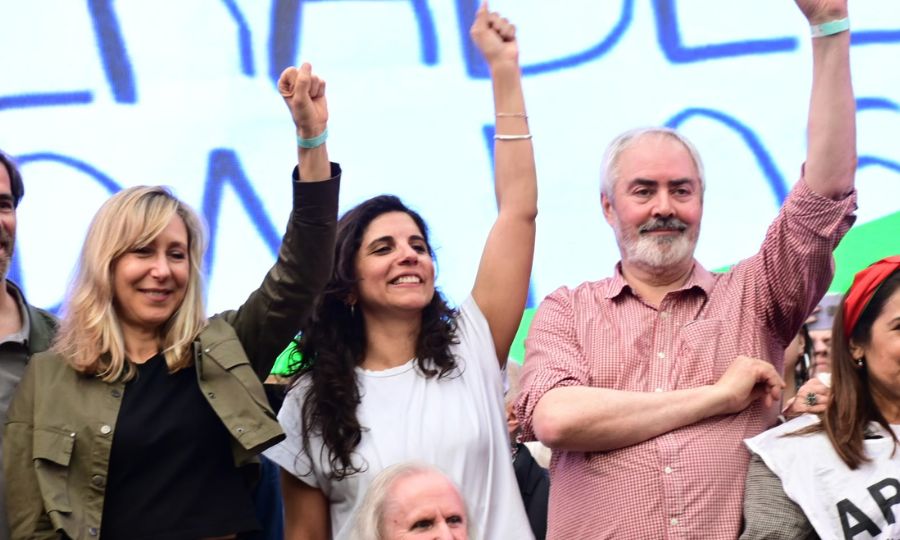
In this regard, as Alejandro Bodart said at the end of the march,“We made history today, because we on the left did what the traditional, bureaucratic leaderships fail to do. We brought together more than four hundred organizations in the streets across the country, and we proved that there is indeed social power to defeat Milei.” The scale of the protest was truly nationwide, with scenes of massive marches involving tens of thousands of people throughout the entire country.
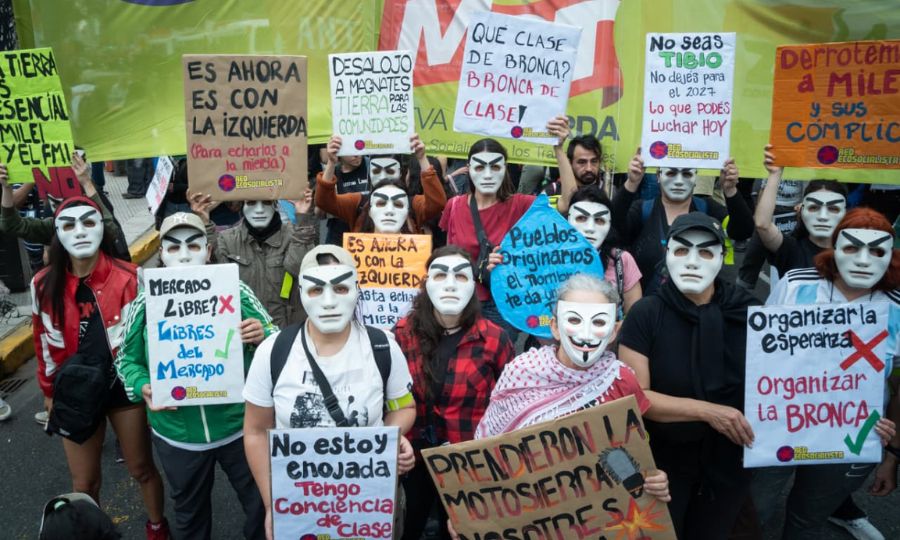
Looking ahead, the mobilization set out an immediate agenda with two central tasks. First, to continue deepening the mobilization to stop the austerity measures, preparing now for a massive demonstration in front of Congress to reject the budget the government is cooking up with its accomplices, and redoubling the demand for a general strike. Second, the great challenge of this new phase is to politically organize all this social force outside the old political structures that have already failed, in order to shape and strengthen a new alternative built from the left.