By Verónica O’Kelly
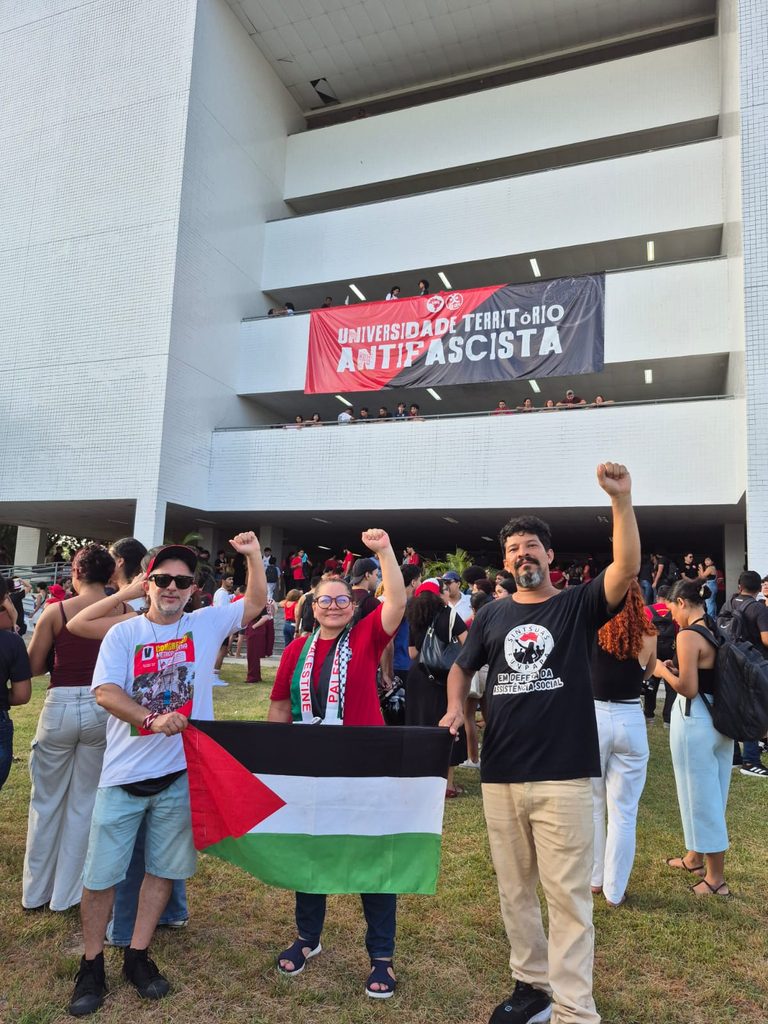
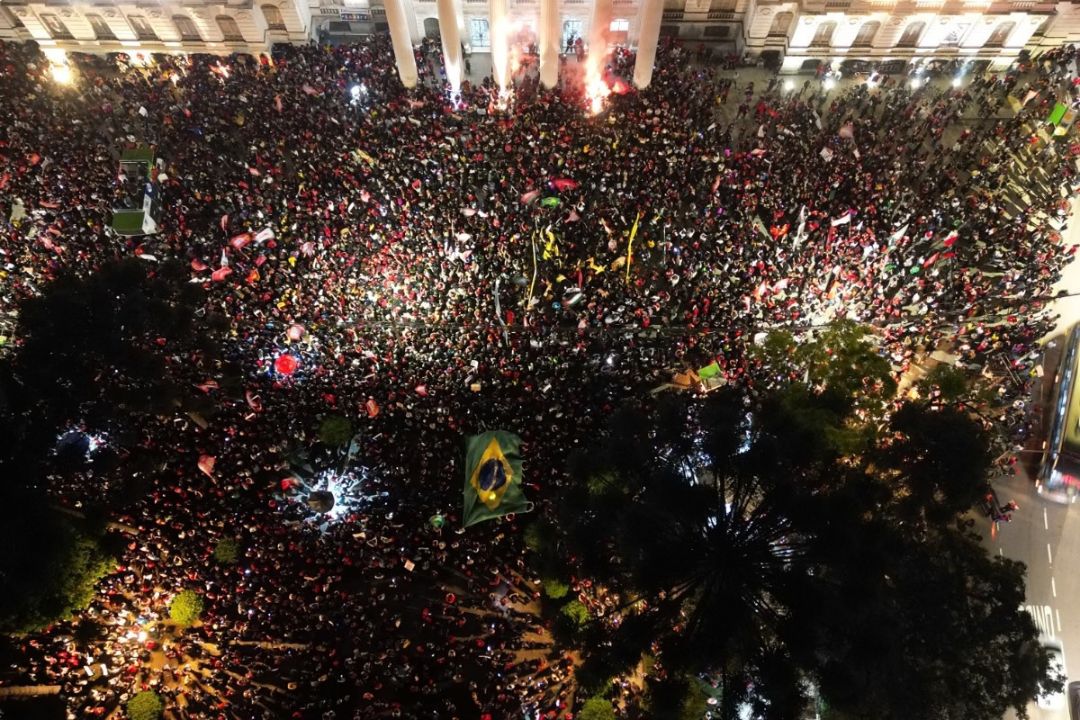
Just a few hours after the results of the first round were announced, popular mobilization began to emerge with tremendous force. Young people have been at the forefront of this process. In Niterói, a call by the student movement for an assembly exceeded all expectations and turned into a massive mobilization in the streets. That same day, similar demonstrations took place in Santos, Recife, and other cities. What initially seemed like just another meeting or plenary session ended up turning into massive demonstrations, revealing an enormous willingness to fight.
In Rio de Janeiro, there were two consecutive days of large-scale protests. In Curitiba, the protest reached historic proportions and ranked among the largest demonstrations in recent years. In São Paulo, rallies took place at USP and in the city center, while calls are growing for a massive demonstration on Paulista Avenue this Sunday, October 11.
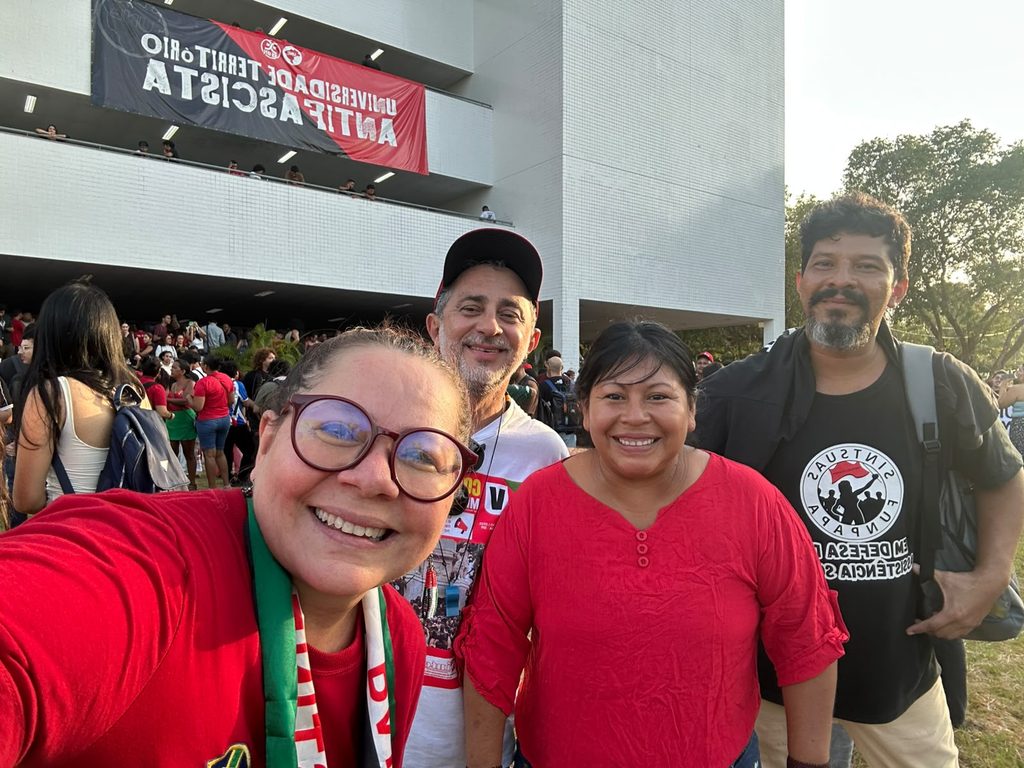
Belém, Porto Alegre, Natal, Salvador… In different states and cities, protests are breaking out spontaneously, with impressive energy. Young people and the working class are showing that they are not willing to passively accept the threat of losing their rights and hard-won gains in the face of the far right and its reactionary agenda. There is widespread opposition to the return of Bolsonarism to power and a determination to take direct action to shape the country’s future.
Socialist Revolution in the Protests
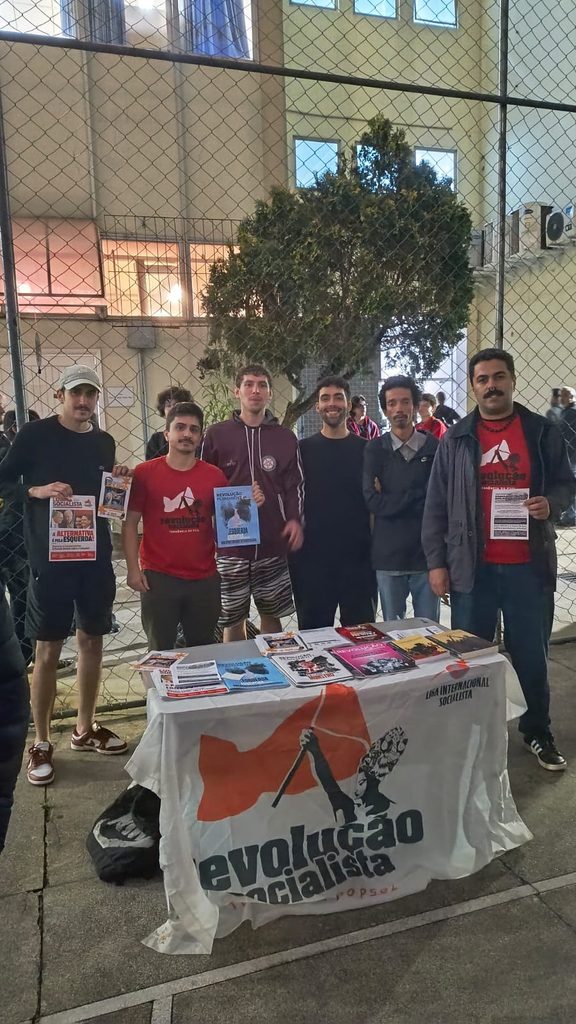
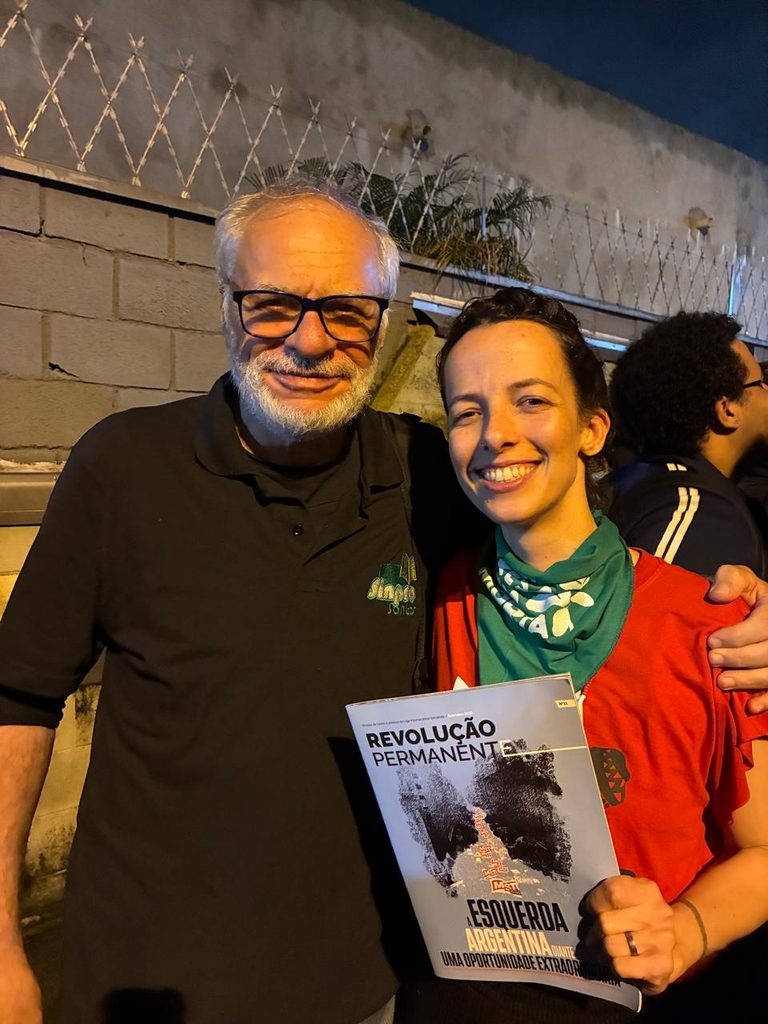
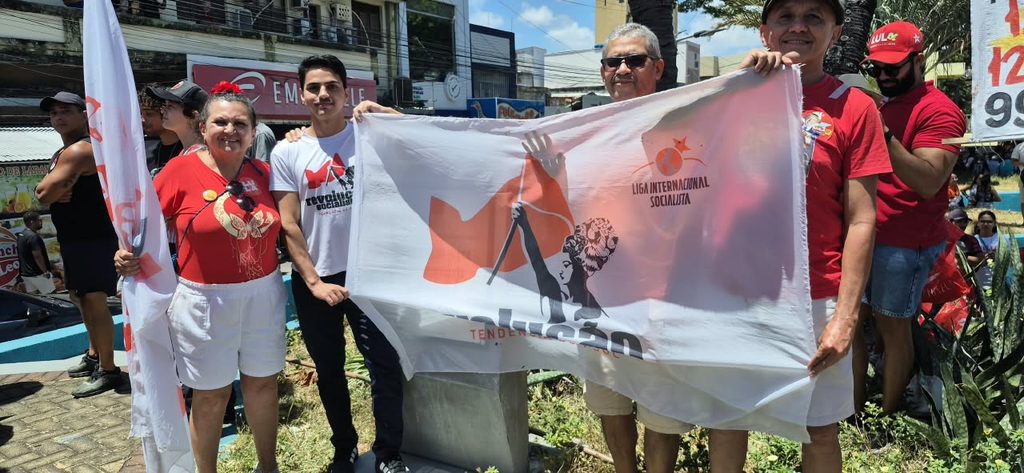
The members of Revolução Socialista are actively participating in this process, helping to organize the demonstrations and taking our political message to the streets. It is urgent that we defeat Flávio Bolsonaro in the runoff election. That is why we call on everyone to vote for Lula 13 as part of this battle against the far right. But this victory is not guaranteed, and the responsibility for defeating Bolsonarism cannot be reduced to the electoral contest.
Lula’s government needs to take a more radical stance, not only in its rhetoric but also through concrete measures that respond to the demands of the working and popular majorities. This requires breaking with the class alliance that subordinates the interests of those who live by their labor to those of the capitalists. If we have reached this situation, it is mainly because the government failed to meet the expectations of the masses, who were hoping for concrete improvements in their living conditions. That frustration fuels political discredit and creates space for the far right to grow.
The Polling Stations, the Streets, and the Future We Need to Build
This popular uprising, therefore, has significance that goes beyond the electoral contest. We are witnessing a genuine uprising that is emerging from the grassroots and could be decisive in overturning the result in the runoff election. But its potential must not be exhausted at the polls: this energy must drive a new phase of organization and struggle, capable of building a leftist, anti-capitalist, and revolutionary political alternative that does not fall prey to the siren songs of class conciliation and reformism.
We cannot allow all this energy to be reduced to a call to vote and then go home, leaving everything as it is. We need to bring to the forefront a program that addresses the needs of the working class and the working people, in opposition to the interests of the capitalists.
The far right must be defeated at the polls and in the streets. To achieve this, we must strengthen our mobilization, broaden our unity in action, and transform our outrage into organized power. “Bolsonaro Never Again” cannot be just an election slogan: it must express both the determination to prevent Bolsonarism from returning to power and the struggle to overcome the political and social conditions that allowed it to grow.
May this rebellion grow and become a force capable of defeating the far right and paving the way for a socialist and independent alternative. It is time to put the interests of the working class and the impoverished sectors above those of the capitalists and consign Bolsonarism to the dustbin of history, from which it should never have emerged.