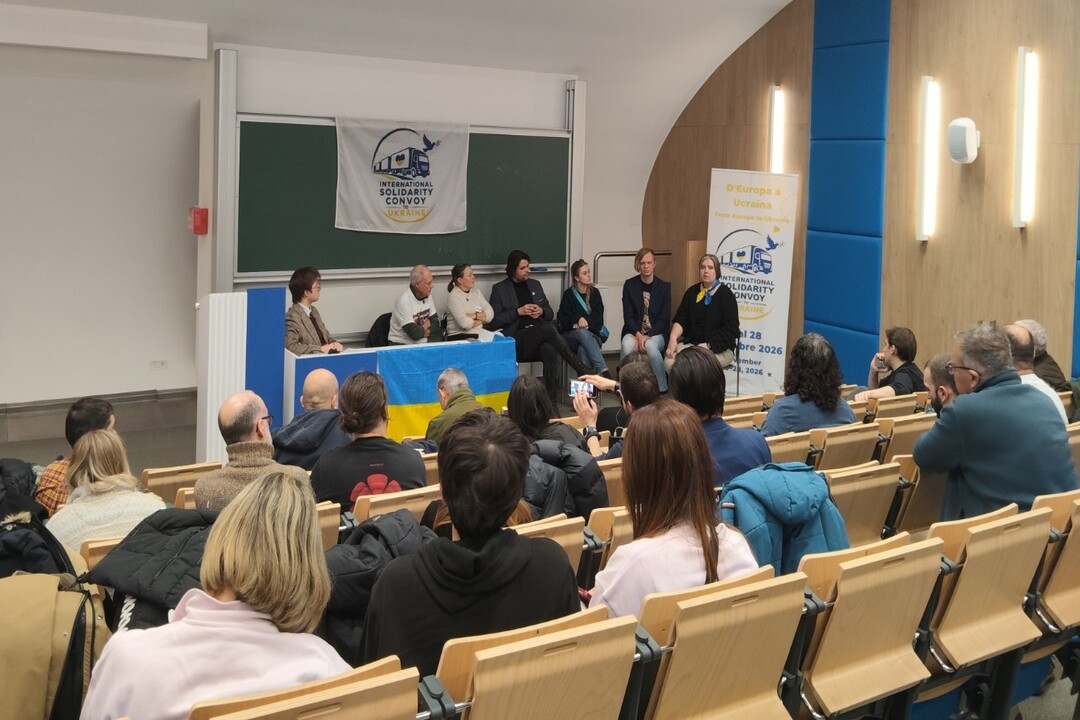
After the columns that set out from Barcelona and Lecce met in Krakow, the Solidarity Convoy is finishing the details for crossing the border into Lviv amid the harsh Ukrainian winter.
Report by Rubén Tzanoff
“After a long journey, the two branches of the Southern Route—one departing from Barcelona and the other from Lecce—came together in the city of Kraków, Poland.
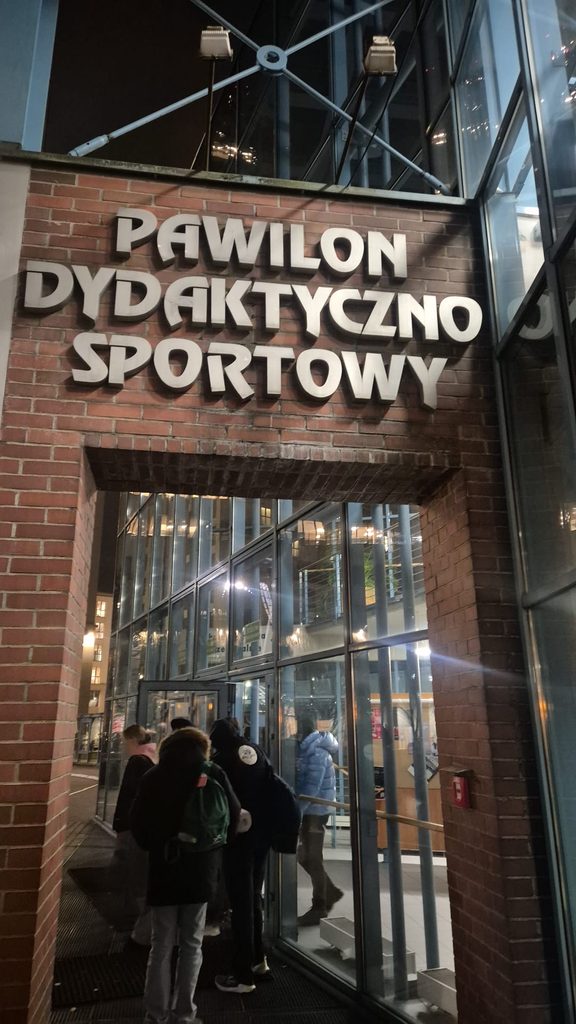
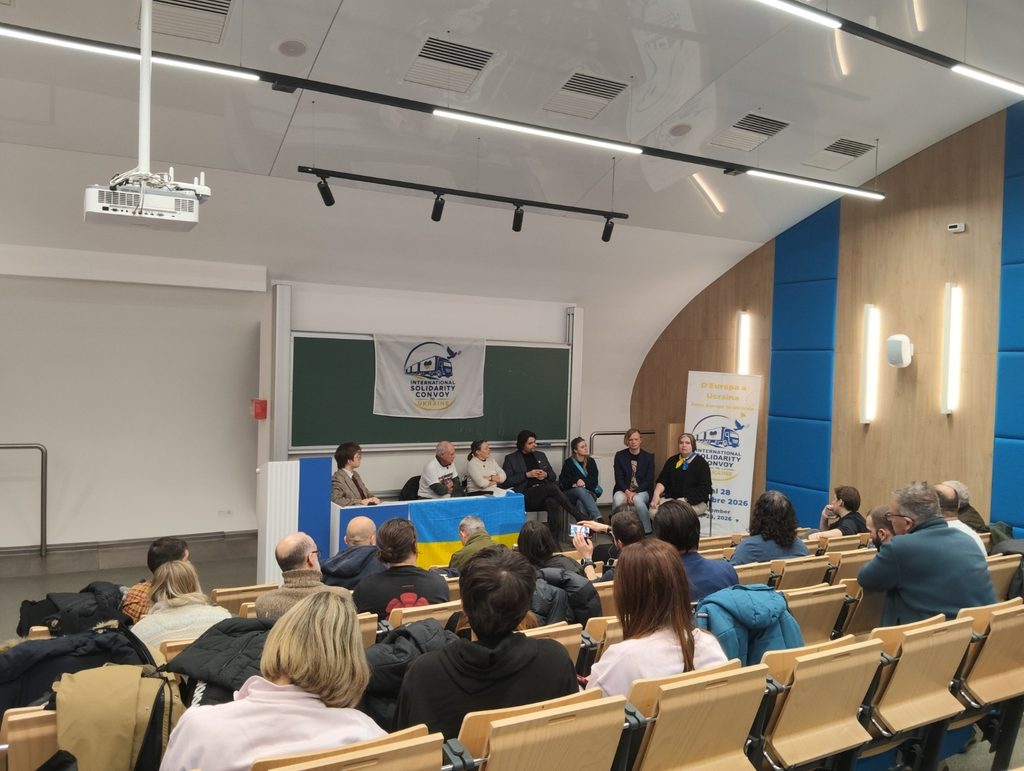
Room 8 at the University of Economics was the venue for a talk expressing solidarity with the Ukrainian people and in support of the Convoy.
Members of the Convoy spoke: Alfons Bech (Convoy Coordinator), Cati Llibre (UGT), David Acosta (spokesperson), Dana (Sinistra per Ucrania), and local representatives. There were also some questions from those in attendance.
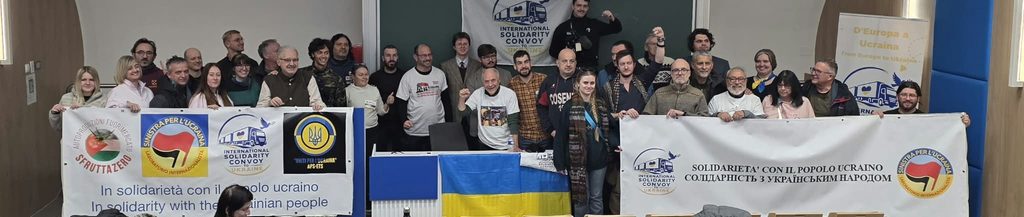
On Thursday, the 26th, an early press conference will bring the activities in the European Union to a close, marking the start of the journey across the border to the city of Lviv, in Ukraine.
Here, the weather conditions and snow in the city offer the first signs of the harsh winter ahead—the fifth winter of war for the Ukrainian people, who continue to resist the invasion by Russian imperialism.
“I’d like to share a few words from our colleague Sergio Bellavita.”
VOICES OF THE CONVOY
Vadym Odariuk.
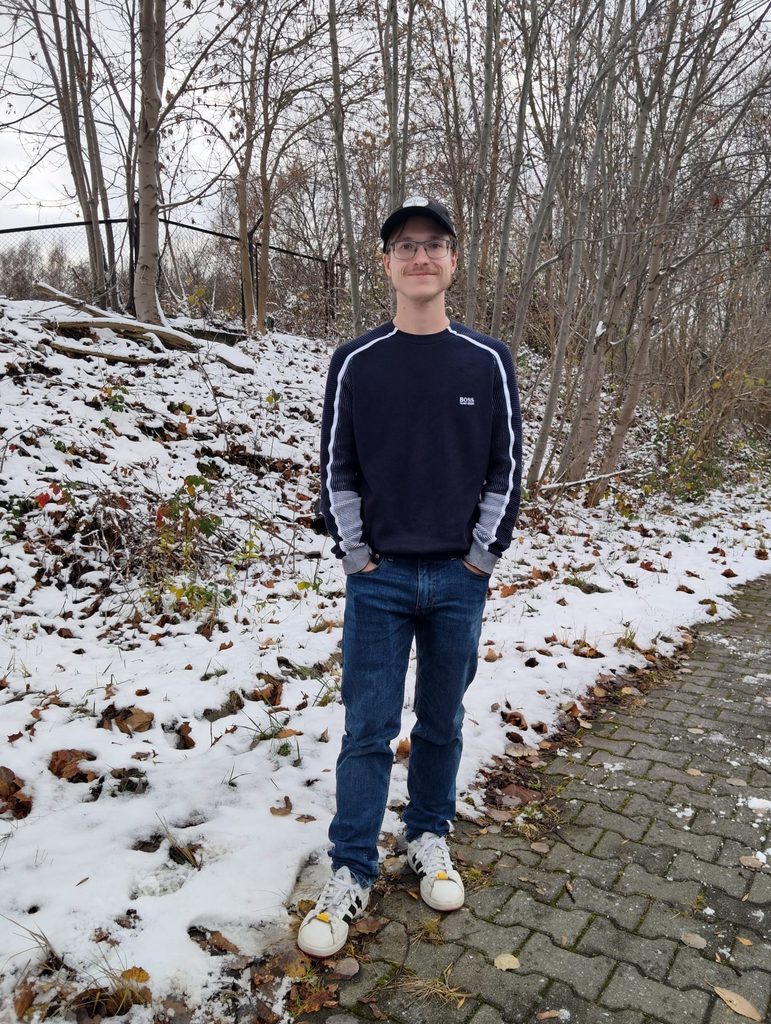
What was it like for you leading up to the trip and now?
Well, the Convoy was a tremendous, wonderful project that kept growing throughout this entire time, attracting more and more volunteers, more support, and more offers of collaboration. In reality, the preparatory phase is just as important as the trip itself—which, of course, provides direct aid—because it involved gathering all the resources to bring as much as possible, identifying routes, contacting partners in Ukraine, and building connections.
The Convoy isn’t just about delivering aid; it’s also about forging these connections between Ukrainian and European organizations, and among European organizations themselves. It has been a show of solidarity from the very beginning, and that’s key. As the communications department coordinator, I could really feel that because we’re all volunteers; more than 12 people worked on social media and articles, and right now we’re still doing it so we can bring in more aid, do more, and make the most of everything we can.
How is the Ukrainian community responding?
The Ukrainian community in Barcelona participated in all stages and in various activities. For example, the exhibition we opened at the Barceloneta Cultural Center as part of the Convoy program was organized entirely by my Ukrainian colleagues and me.
Afterward, the culinary event at the Farewell Ceremony was organized primarily by the Ukrainian community. And throughout the social media outreach, Ukrainian accounts and organizations did a tremendous job; we’re even wearing the Convoy T-shirts right now, featuring a design created by a Ukrainian woman living in Ireland. In Italy, too, the Ukrainian community organized charity dinners in several cities. So I think it was a unique opportunity for us to reconnect with one another as Ukrainians across Europe.
How do you feel about the mission?
The truth is, I’m really moved by the solidarity and unity of people who are willing to volunteer their time for a common goal—which is the central objective of everything we do as activists.
How are you enjoying the trip?
It’s really hard to be on the road all the time; it’s tough not to have an internet connection sometimes or not being able to plug in my laptop to work. However, we organize things among ourselves, and the support and unity of the group we’ve formed are very strong, with deep bonds—especially considering that most of us didn’t know each other before, and those of us who did know each other didn’t know each other that well. Of course, we’ve formed a little family here, and there are also disagreements or arguments, but so far we’ve managed to work everything out.
What do you think we’ll find in Lviv and Kyiv?
Cities where sirens wail and all that, but they keep functioning as usual. It’ll be a reality check because many people think everything’s in ruins and that people are panicking all the time, right? We Ukrainians aren’t nervous anymore—our nervous systems have basically shut down. That said, they’re going to encounter a nation and a people made of steel, who live in a state of war, endure bombings in the morning, and then attend an event in the afternoon and pull it off just fine.
What are the prospects?
We already have plans for how to move forward. I hope we can continue with this project, develop it step by step, and make it bigger and bigger. I believe we need initiatives that not only provide material aid but also create these vital connections between people so that, in the end, we can all form one team of humanity. I think it’s very valuable to show that people from different countries have the opportunity to come to Ukraine—and perhaps in the future, Ukrainians will be able to visit their cities—to discover cultures, people, and countries together, thereby fostering greater understanding among us.
What message would you give to young activists?
May they clearly define their values, stand up for them, and defend themselves, their families, their friends, and their inner circle against the propaganda and misinformation we are bombarded with every day.