On November 11, a general strike took place in the midst of a political and social crisis. While the right wing attempts to capitalize on discontent, this strike reaffirms the urgent need to build a revolutionary and socialist alternative.
By Flor Salgueiro – Socialism and Freedom (SOL) – Spain
A measure imposed from the bottom up
The leadership of the UGT and CCOO unions were forced to call for the general strike on November 11. The pressure came from the housing and tenants movement, sparked by the eviction and later death of Maricarmen Abascal (87) and the protest camp at Puerta del Sol.
The strike was statewide, with the greatest impact in Catalonia, Andalusia, and Aragon. It also affected Madrid, Galicia, and the Valencian Community, particularly in the manufacturing, transportation, logistics, and port sectors.
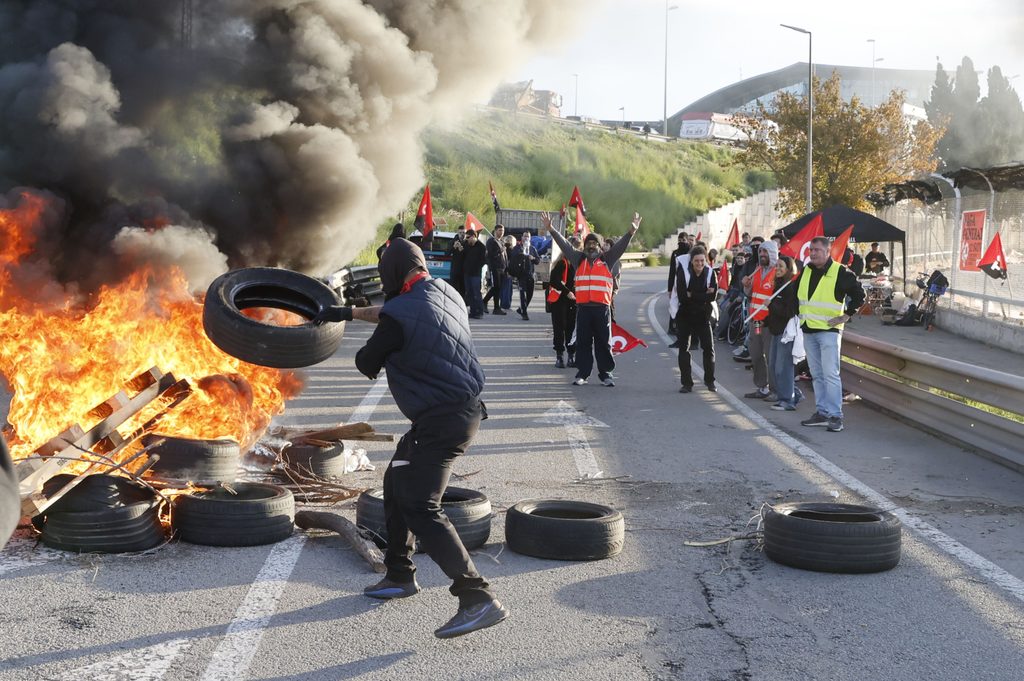
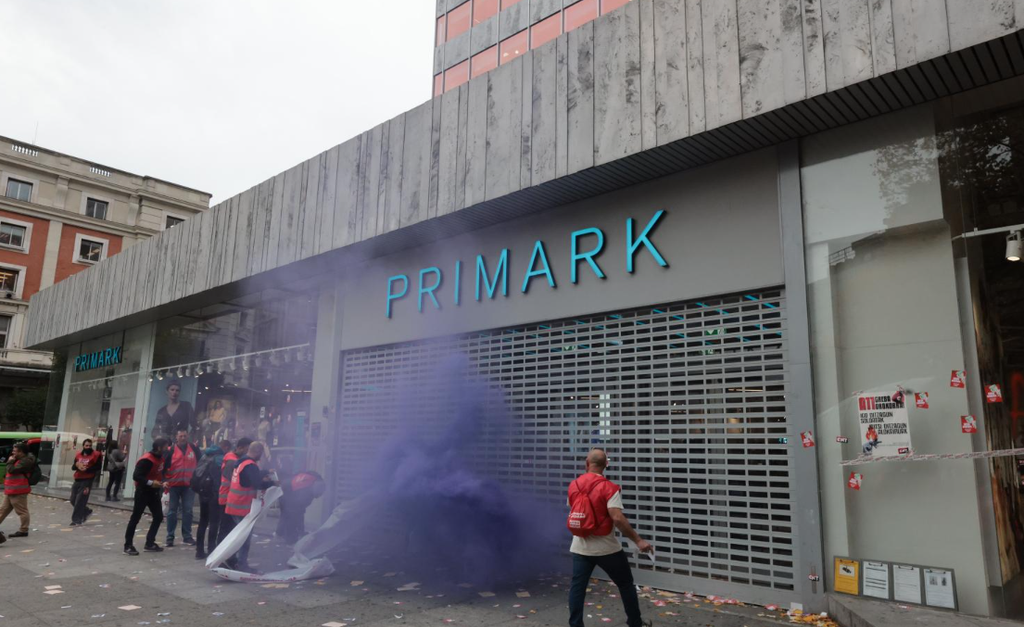
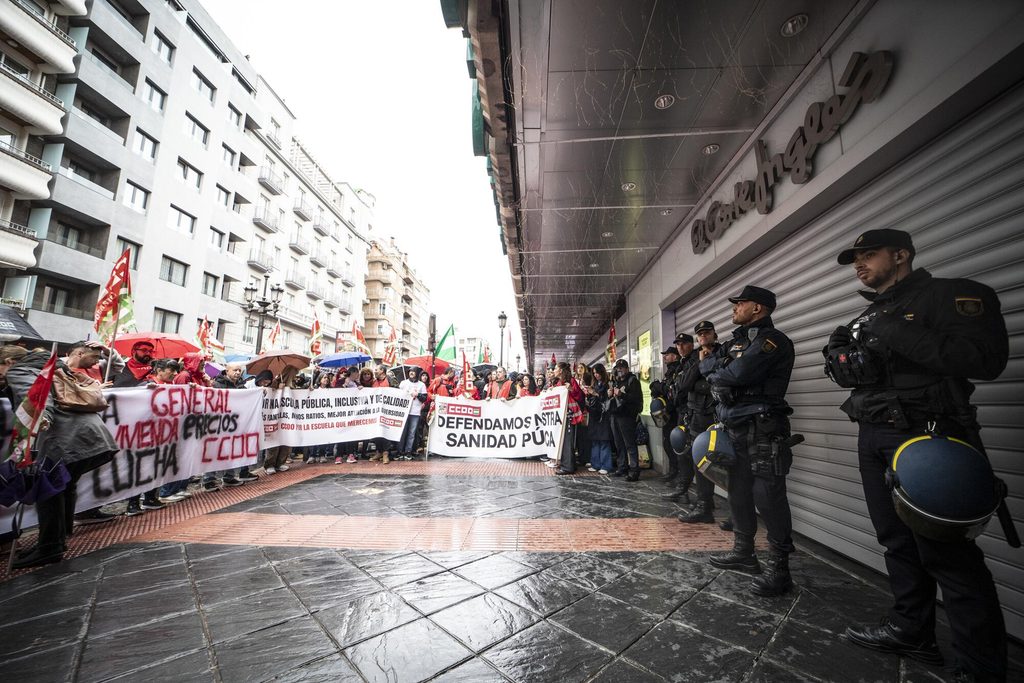
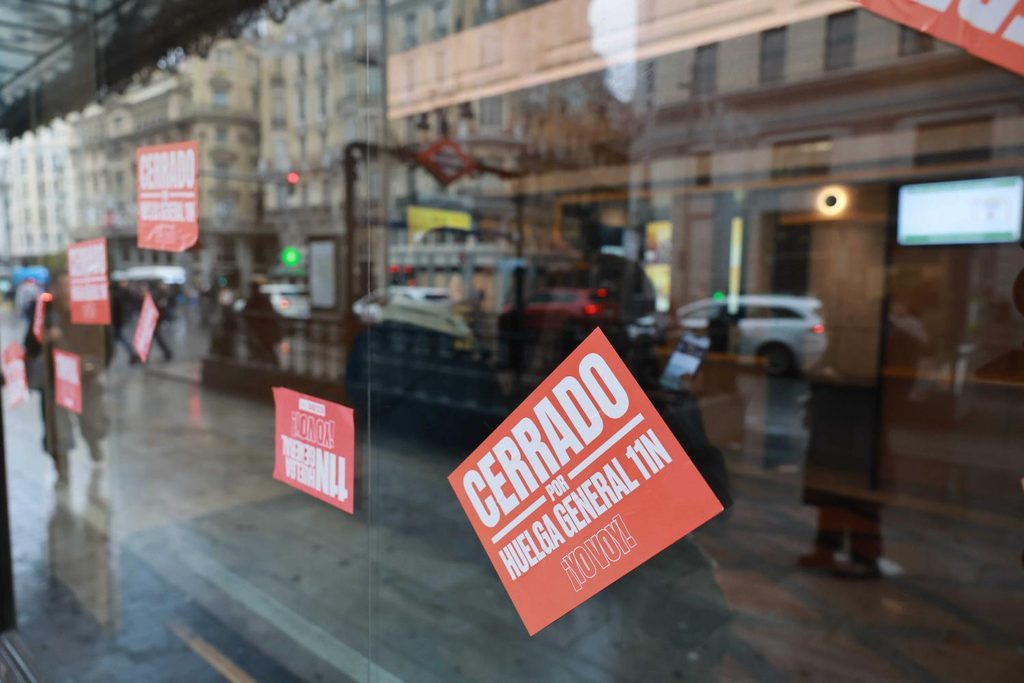
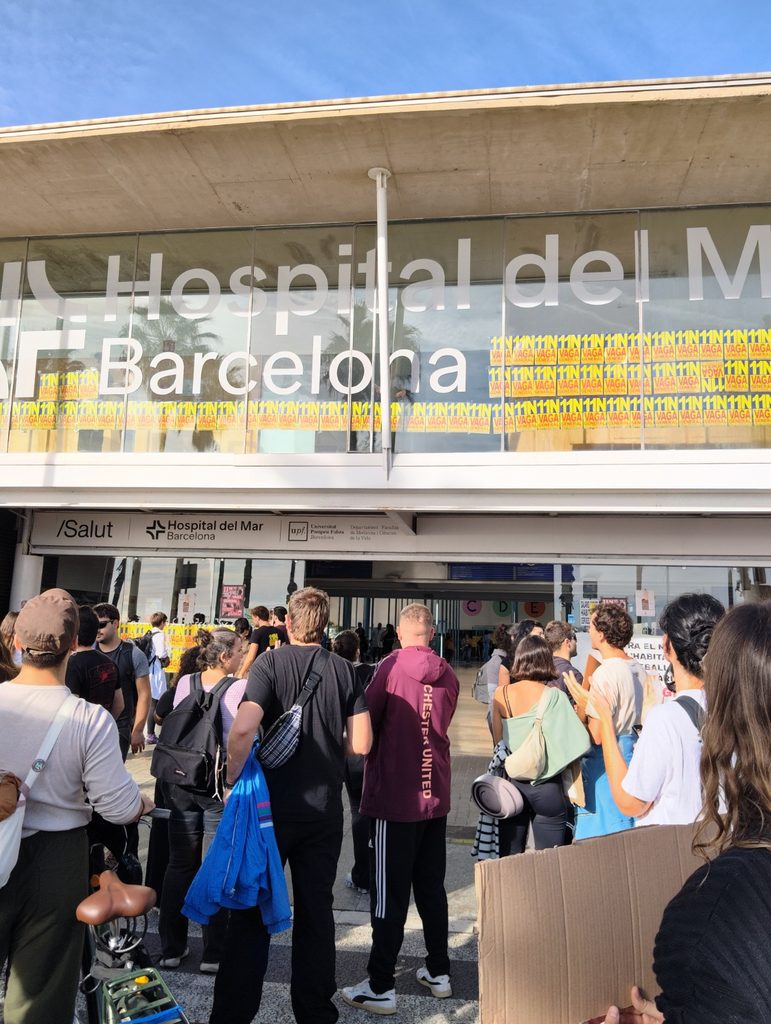
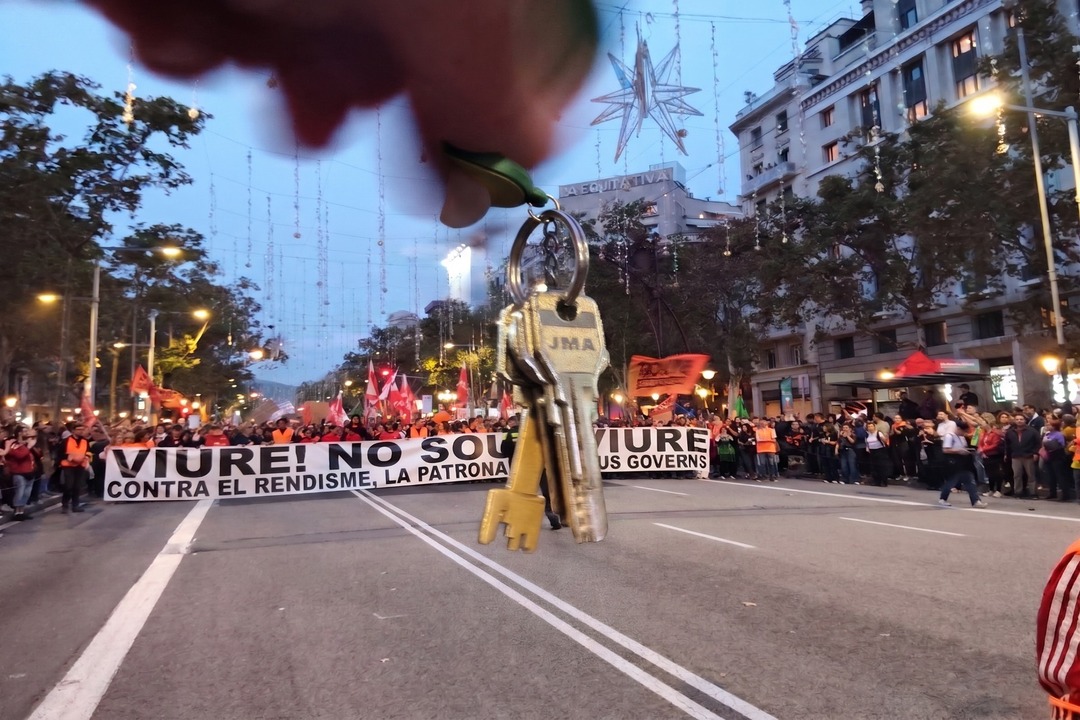
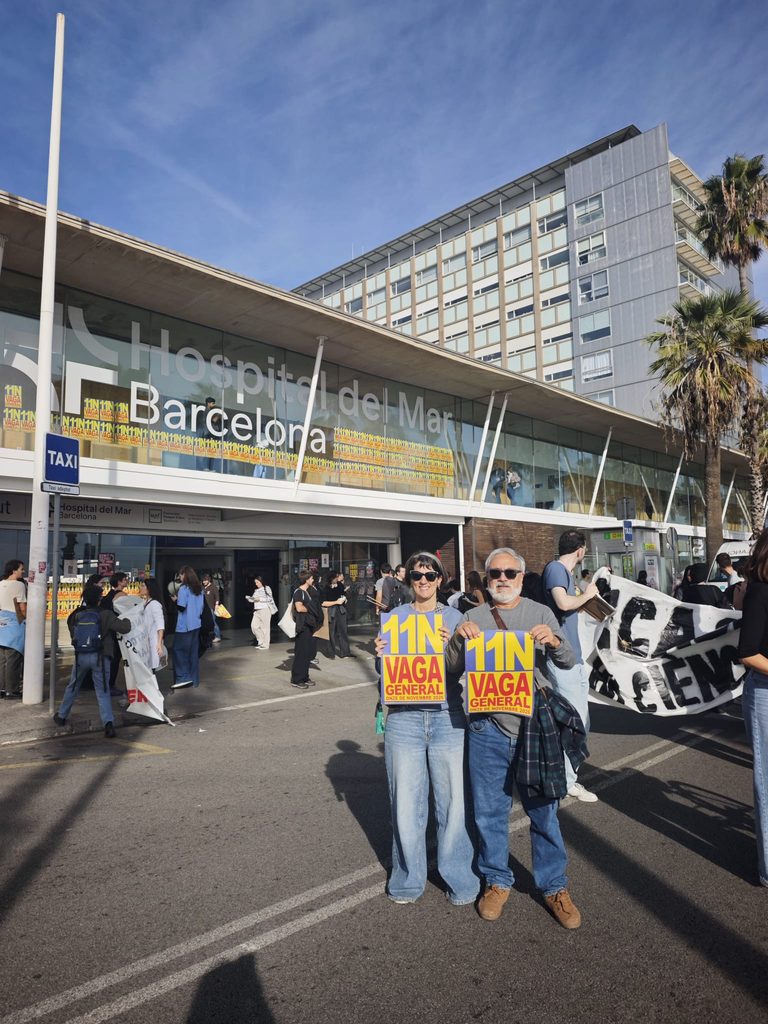
The strike was carried out through grassroots committees and picket lines set up early in the morning at workplaces, roadblocks and blockades at airport entrances, university encampments, and business closures, along with a consumer boycott. Transportation, healthcare, and education operated at or below minimum service levels. Some of the slogans chanted included:“It makes no sense—people without homes and homes without people” and “Wages are falling and rents are rising.”
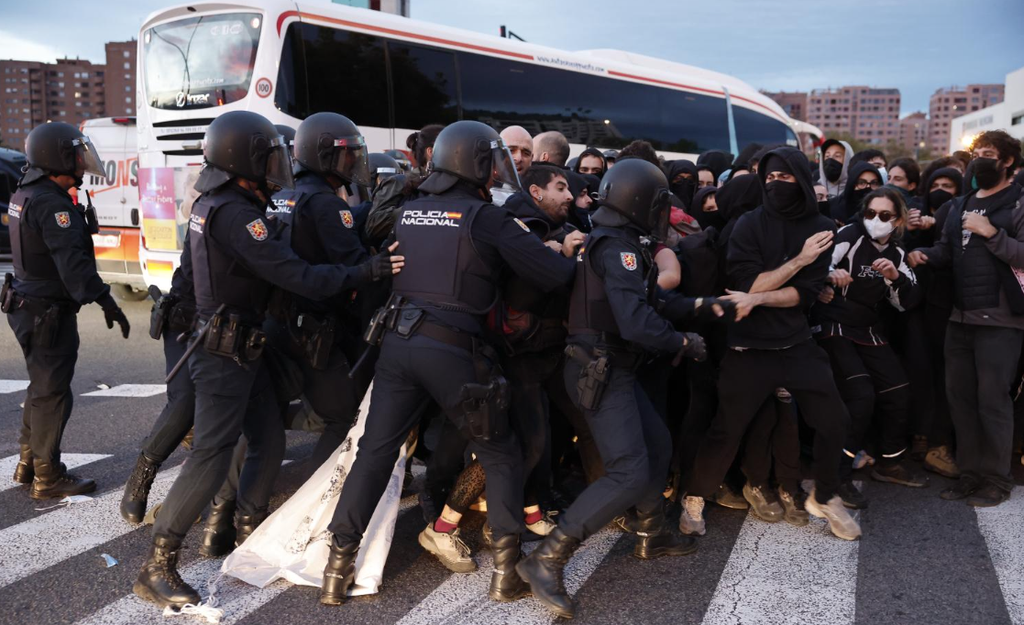
There was no shortage of police charges, arrested protesters, or clashes with the forces of repression.
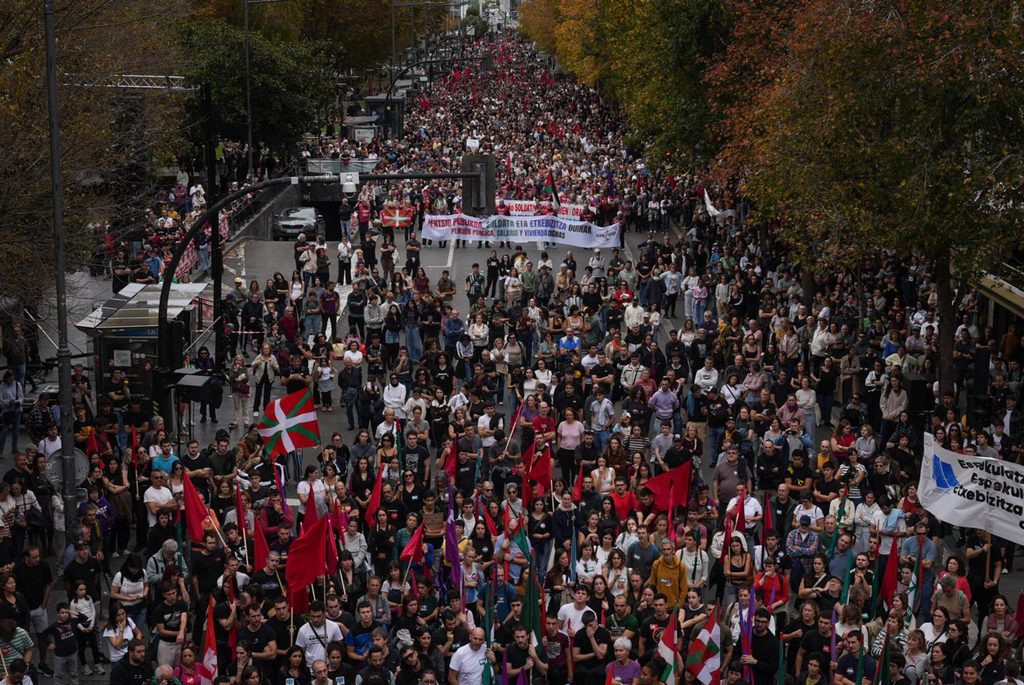
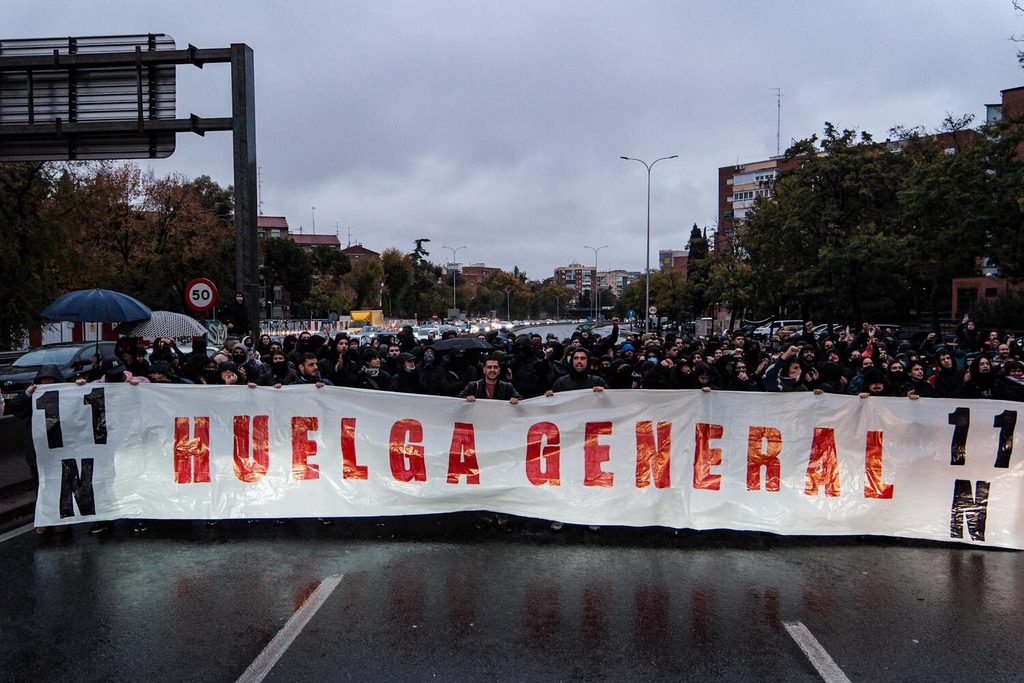
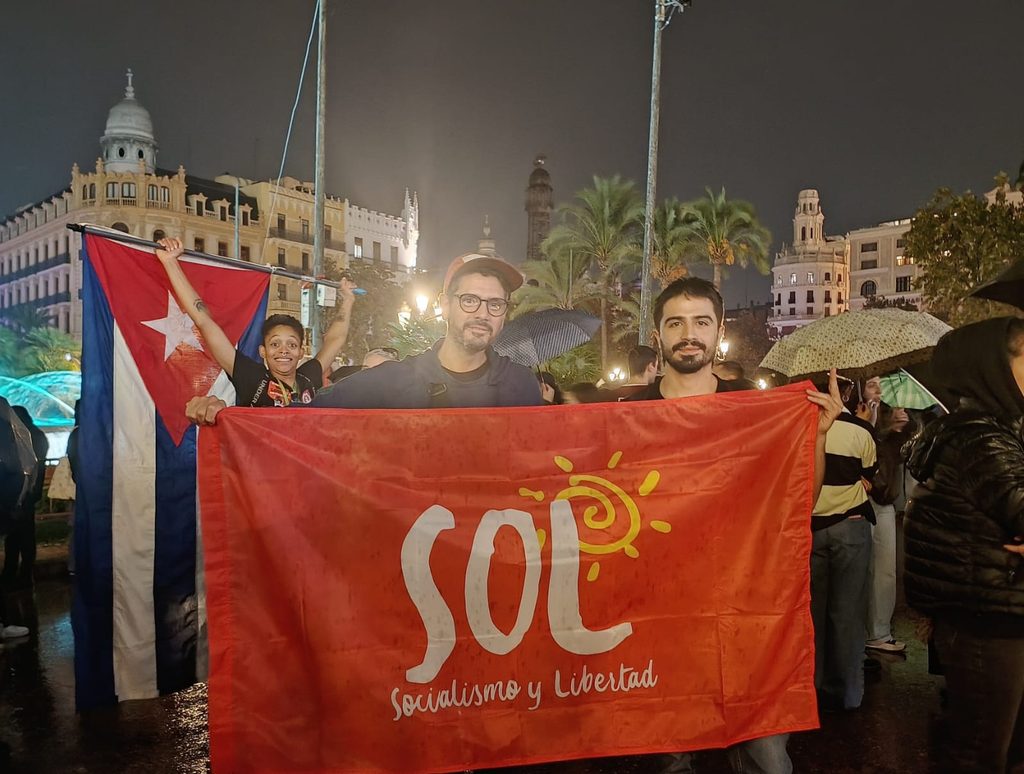
In the afternoon, there were large, united demonstrations, such as those in Barcelona, Madrid—in the rain—Valencia, and Bilbao.
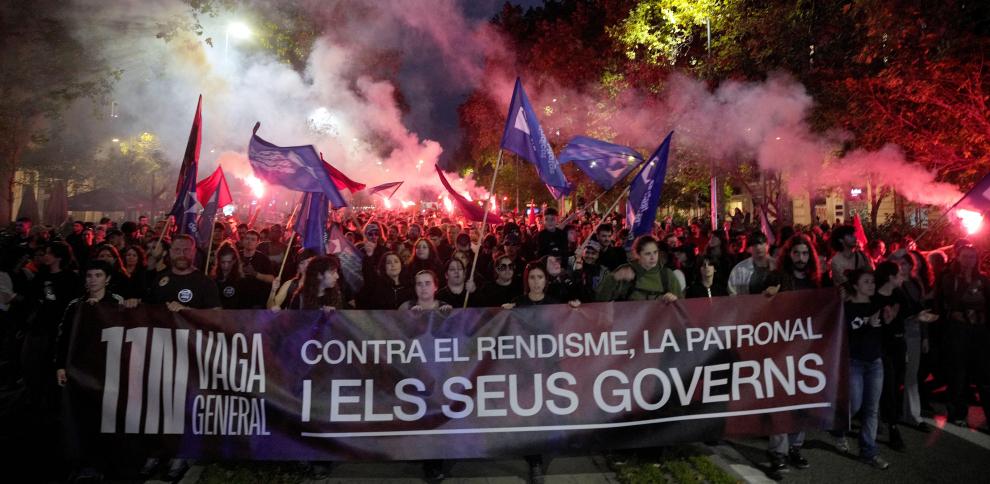
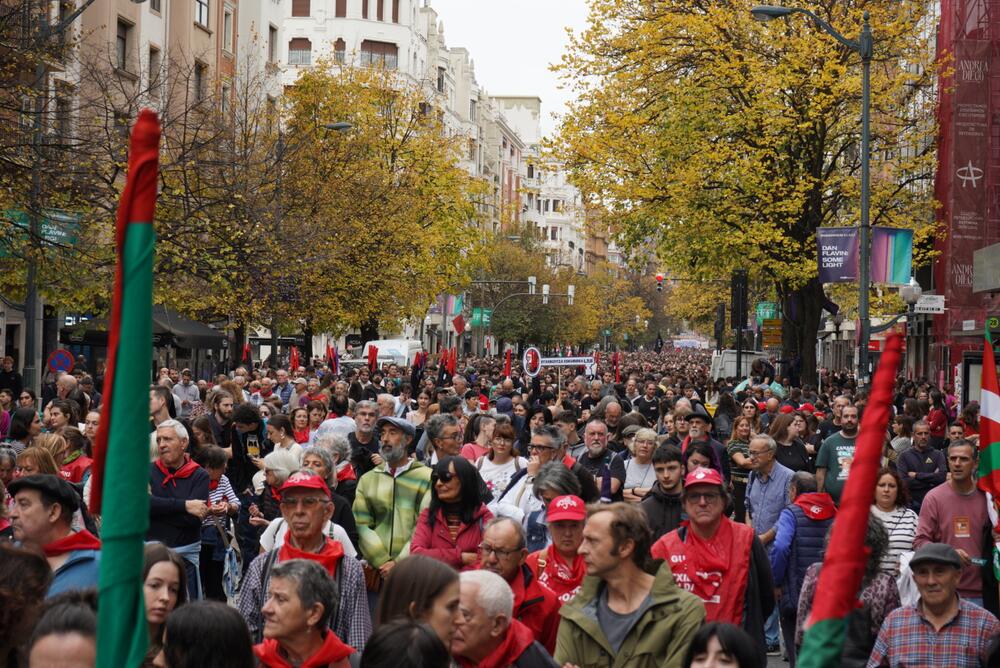
At SOL, we are actively participating in the day of action.
Employers’ groups, the political right (the PP and Vox), and the right-wing media boycotted the strike and, pathetically, tried to downplay its impact because they are terrified of the working people’s struggles.
The strike had its ups and downs, and there will be time to examine its impact in greater depth. But the key point is that the streets were overflowing with demands directed against the government and private businesses at the expense of the public sector. The actions were successful, and there is a shift in the masses’ fighting spirit that marks a turning point; for this reason, we can describe it as a historic strike.
So, the question arises: What causes conflicts of this magnitude, and what might the outlook be?
The erosion of the government and the regime
Pedro Sánchez’s government is facing growing discredit due to the deterioration of living conditions, the privileges of banks and large corporations, and the cost of military rearmament dictated by the European Union at the expense of social spending. Plus, corruption and the government’s mishandling of the DANA storm disaster in Valencia and the train tragedies in Adamuz and Urda.
At the same time, the foundations of the 1978 regime are crumbling. Faced with the denial of the right to self-determination, the subordination of the judiciary to political power, and the impunity of the elites, the breakdown of its institutions is accelerating.
The underlying issues won’t be solved through a ballot box
The early election highlights both Sánchez’s political fragility and his maneuvers to retain power at La Moncloa. Although the elections in Andalusia, Castile and León, Aragon, and Extremadura show the decline of the PSOE and Podemos amid the rise of Vox and the difficulties faced by the PP, Sánchez has demonstrated his ability to survive through initiatives and political maneuvers.
On the international stage, as Europe is in turmoil and mobilizing against reactionary policies, the electoral defeats suffered by figures such as Orbán, Bolsonaro, Netanyahu, and Donald Trump confirm that the right is not invincible.
Even so, elections won’t solve the underlying crisis: finding a real solution requires structural changes that no party within the regime or the capitalist system is willing to undertake.
Something is changing
The crisis of the ruling class, the growing discontent among the middle and lower classes, and the masses’ greater willingness to mobilize suggest that the situation is shifting the balance of power between the classes in a favorable direction. However, we are hampered by the lack of a revolutionary party with mass influence, capable of contending for power alongside the working class and its dual-power organizations. What is happening is not a “bolt from the blue” but a reflection of the new situation in Europe.
There are immediate tasks
A program of struggle that combines immediate demands with a fundamental anti-capitalist solution is essential.
In the face of the UGT and CCOO union leaderships, which sought to use the strike merely as a means of social relief and electoral venting, it is essential to ensure its continuity through a plan of action debated and voted on in assemblies, with the goal of an Iberian Strike, without concessions to the bourgeois governments. The task of confronting the far right through unity of action and a united front until it is defeated in the streets has become an urgent task.
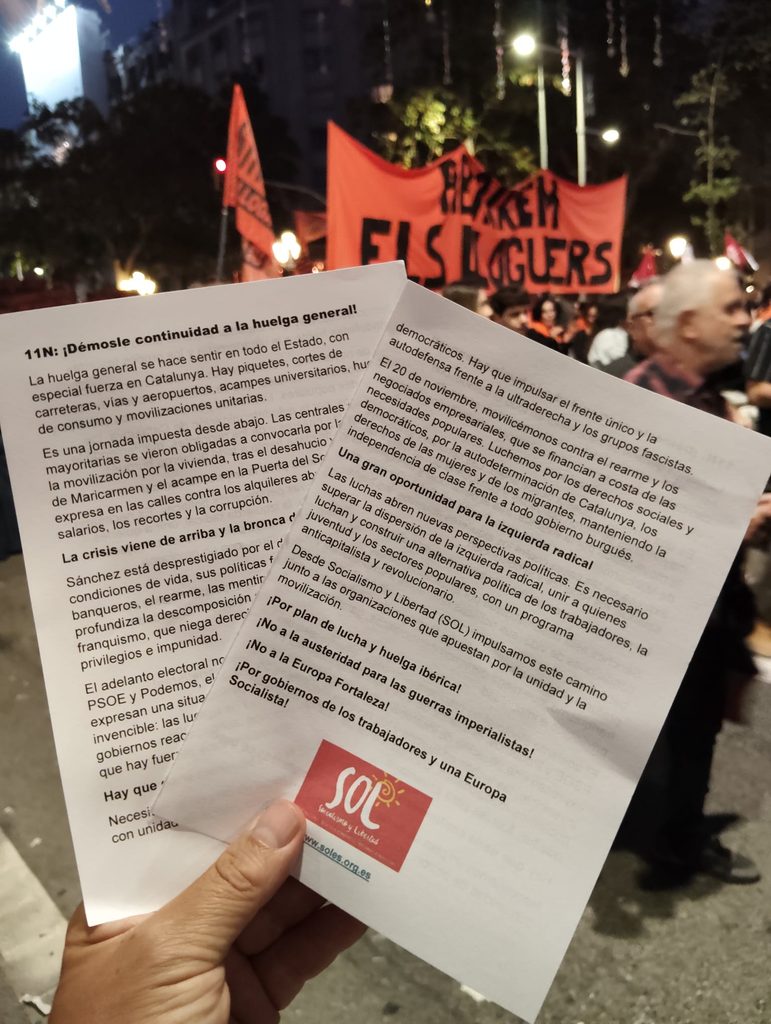
In addition, on November 20, we will take to the streets alongside student unions and young people to protest military rearmament and social spending cuts to fund imperialist wars.
We will continue to fight for gains such as the self-determination of peoples and full rights for women and migrants, without compromising our class independence or subordinating ourselves to any bourgeois government.
An Opportunity for the Left
The crisis among the ruling class and the working class’s willingness to fight mark a favorable shift in the balance of power, despite the lack of a revolutionary party with mass influence—which is the major problem that must be resolved.
The challenge facing the radical left is to overcome fragmentation and build a revolutionary, socialist political alternative. The joint statement issued by GTR, IZAR, LI, and SOL ahead of November 11 was a small but positive step—one that must be expanded upon.
At SOL, we put forward the following central slogans: “No to Fortress Europe. No to austerity for imperialist wars. For the international unity of struggles. For workers’ governments. For a Socialist Europe.”
The challenge ahead is to rally revolutionaries at the national and international levels, as we in the International Socialist League (LIS) have proposed, in order to build strong parties with the strategic goal of resolving the dilemma of “Socialism or Barbarism” in our favor.