In Kherson, Russian drones are turning the streets into hunting grounds for civilians. In the face of a method of warfare designed to sow terror, anti-drone networks offer an accessible means of defense. From Sarajevo to Gaza, history shows how aggressors target the civilian population. International solidarity can help save lives: donated fishing nets can be transformed into protection for those living and working under attack by Russian imperialism.
By Rubén Tzanoff
A street vendor as a target
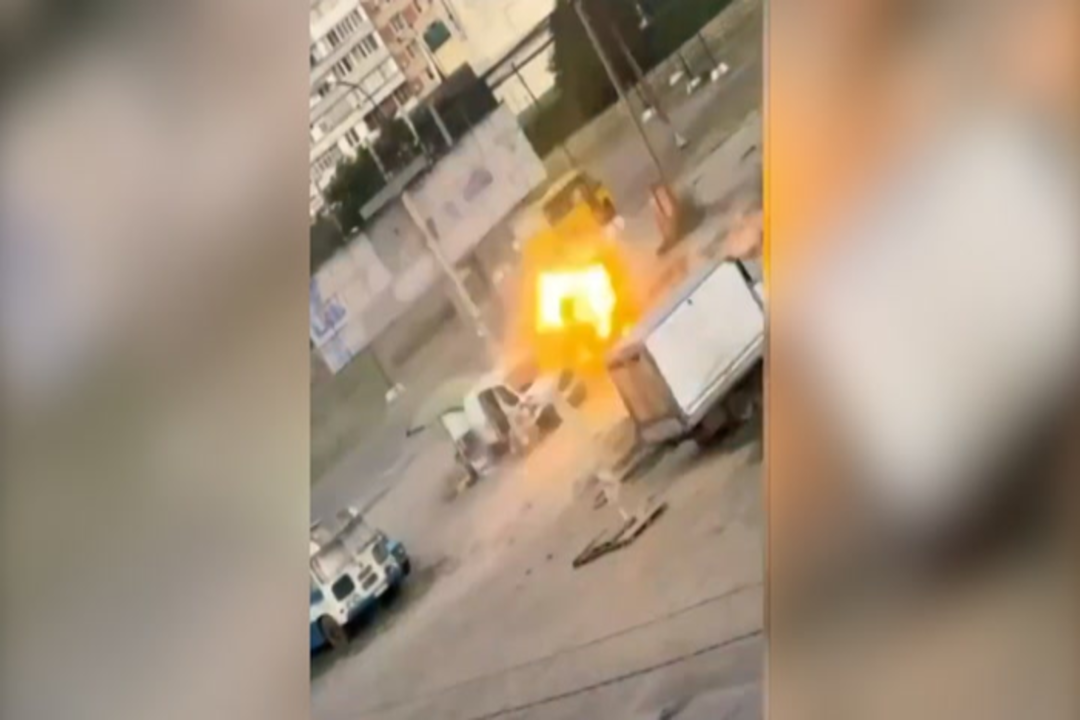
In early August, a video released by the Ukrainian police documented a very serious incident: a Russian first-person view (FPV) drone pursued and detonated in an attempt to kill an unarmed street vendor at a popular market located in the Tavriisk district of the Kherson region in southern Ukraine. This city is under constant attack due to its proximity to occupied territory and the limitations of Ukraine’s air defenses.
Video posted by La Vanguardia.
The man, who survived the attack with injuries, is named Yuriy and is 52 years old. The drone flying over the area had no reason to mistake him: Yuriy was not carrying any weapons nor was he participating in military exercises. As the vendor himself stated: “I had garlic, tomatoes, and peppers. I didn’t have a cell phone.” Yuriy, who despite his attempts to escape the drone noted that “it was about 200 meters to the shelter. Maybe some athletes could run that far. Not me.”
This is not an isolated incident. Russian forces use drones in “safari-style attacks” against civilians, vehicles, public transportation, and emergency personnel almost daily.
It is a war crime—as were others, such as those in Bucha—that is part of a deliberate and systematic Russian campaign to intimidate the civilian population.
It is worth noting that since the start of the full-scale war in 2022, more than 16,000 Ukrainian civilians have been killed.
The Hunt for Humans: A Prelude to Barbarism
During the siege of Sarajevo (1992–1995), Serbian forces turned the city into a massive human hunting ground. From the surrounding hills and buildings, their snipers fired on civilians who went out to fetch water, went to the market, walked through the streets, rode trams and buses, attended funerals, or simply went about their daily lives.
The International Criminal Tribunal for the Former Yugoslavia determined that these were not isolated incidents or collateral damage, but rather a systematic campaign intended to terrorize the civilian population. One of the proven cases was the murder of Munira Zametica, a 48-year-old woman who, on July 11, 1993, emerged from behind a bridge to fetch water from the Dobrinja River and was killed by a sniper. Children were also targeted while playing or walking in the streets.
In Gaza, horrific cases were documented in which Palestinian civilians—whether trapped, wounded, or trying to escape—were targeted by the forces of the Zionist entity and subjected to violence from which they could not save themselves.
The case of Hind Rajab, a five-year-old Palestinian girl, is particularly brutal: in January 2024, she was trapped for hours inside a car alongside her murdered relatives and cried out for help while she lay wounded and surrounded by corpses. The Red Crescent ambulance that came to rescue her lost contact, and its two crew members were killed; twelve days later, the bodies of Hind, her relatives, and the paramedics were found. In August 2026, the Israeli military itself acknowledged that its troops had fired on the car and announced a criminal investigation.
You may also be interested in: “Solidarity Has Become a Target”
Defense using all available means
In Kherson and other Ukrainian areas near the front lines, anti-drone nets have become a protective measure against the intensive use of Russian drones targeting vehicles, pedestrians, and supply routes. Large nets are strung across streets and highways, forming “tunnels” designed to hinder attacks.
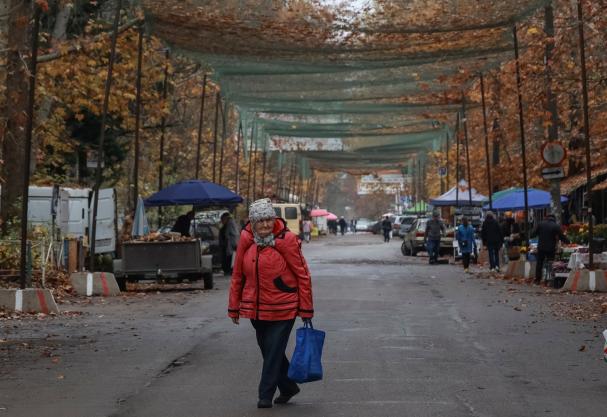
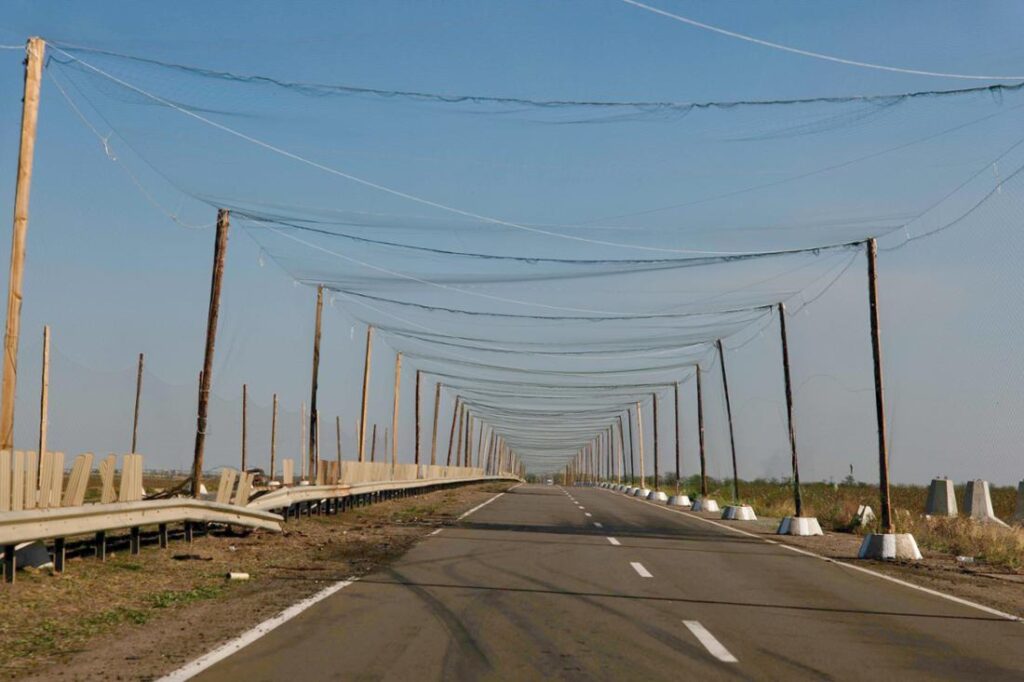
The access road from Mykolaiv was eventually covered almost from end to end. By the end of 2025, 534 kilometers of anti-drone protection had already been installed in seven regions: Donetsk, Dnipropetrovsk, Zaporizhzhia, Kherson, Sumy, Kharkiv, and Kyiv.
The enormous disparity in military strength between the aggressors and the victims reaffirms the recognition of Ukraine’s right to defend itself by all means at its disposal.
Solidarity among workers is essential
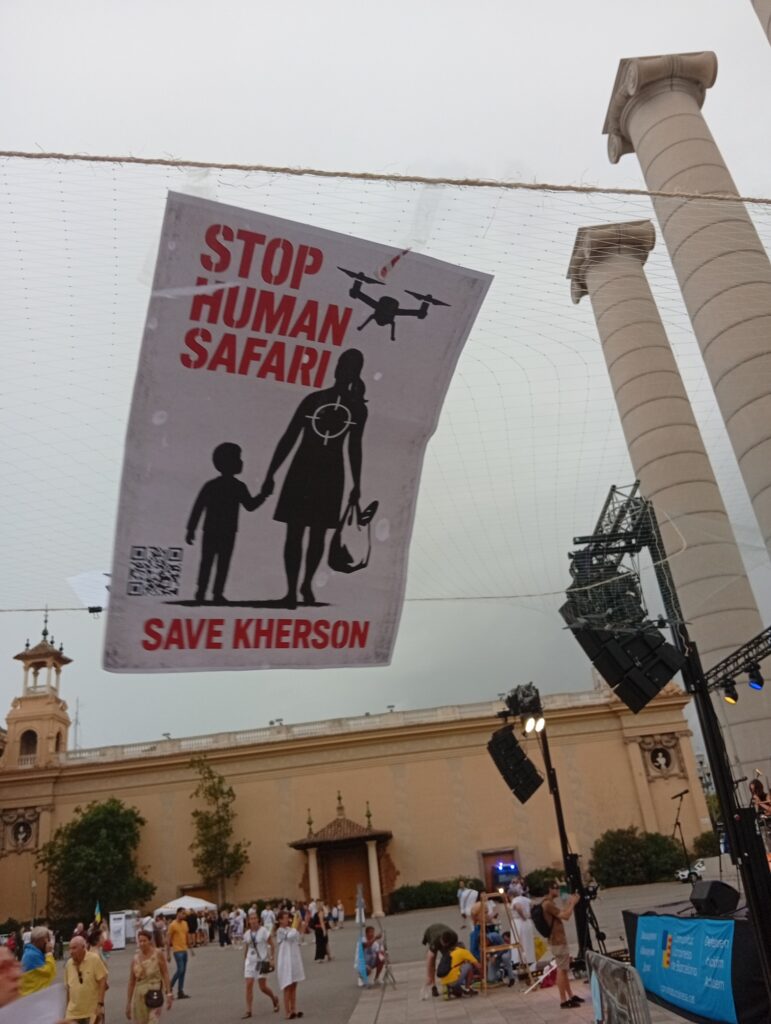
On August 24, Ukraine’s Independence Day, near the Magic Fountain of Montjuïc in Barcelona, a protest was held under the slogan “Stop the human safari, save Kherson,” so that no one would remain indifferent to these war crimes.
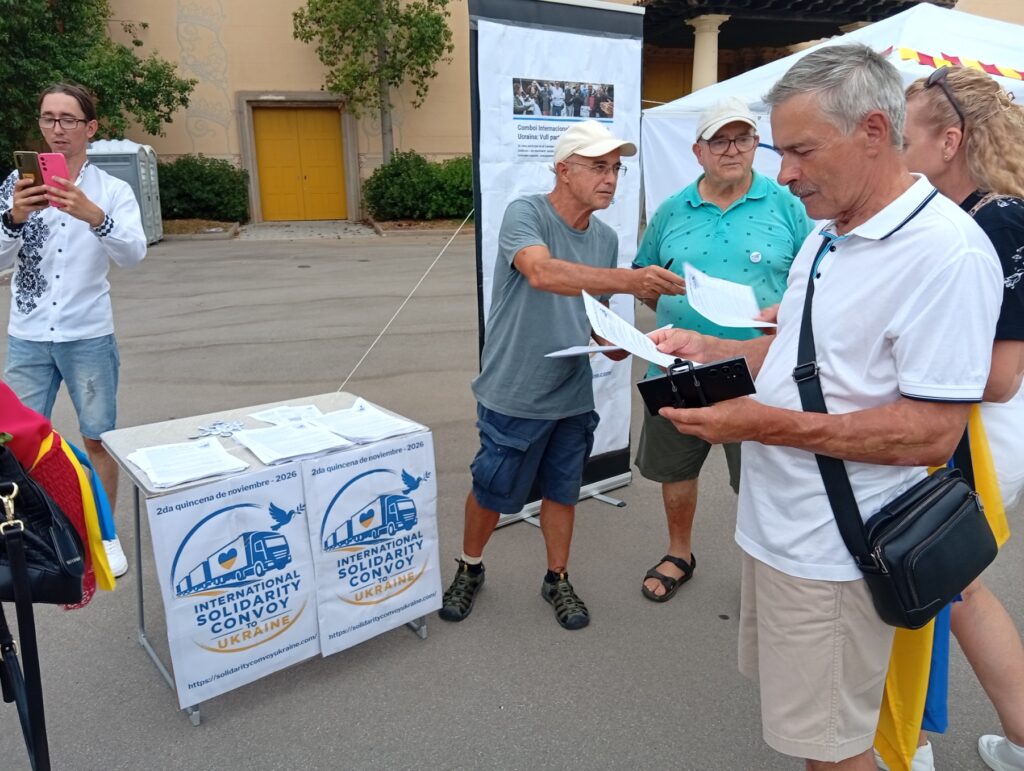
The International Solidarity Convoy to Ukraine is no stranger to this dramatic and cruel reality. That is why it is organizing its mission from various locations across the European Union to Ukraine, seeking to establish networks to transport aid to Ukraine, among other logistical support.
Organizations involved in the fishing industry, as well as fishermen’s and dockworkers’ unions, can play a significant role in showing solidarity by donating unused nets to give them a second life: saving lives in Ukraine.
You may also be interestedin: “Why We Joined the International Solidarity Convoy to Ukraine.”